Basrah, Iraq
- 1,326,564 people
- 8 places to visit
- 30.526, 47.7738
Places to Visit (8)
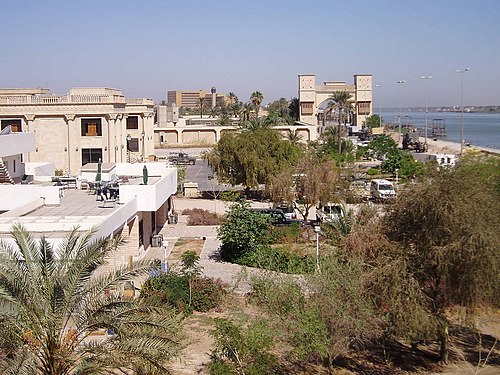
Basrah, located in southern Iraq, is the capital of Basra Governorate and a key city in the region. Positioned near the Shatt al-Arab waterway, where the Tigris and Euphrates rivers converge before flowing into the Persian Gulf, Basrah has historically been a vital port city. Its strategic location has made it an important center for trade and commerce since ancient times, contributing to its diverse cultural heritage. The city has a population of over a million residents and features a mix of traditional and modern architecture, reflecting its long history and dynamic present.
Basrah's economy is primarily driven by the oil industry, with the surrounding region rich in petroleum reserves. The city is home to several major oil companies and facilities, making it a critical hub for Iraq's economy. In addition to oil, Basrah's economy also benefits from agriculture, particularly due to its fertile soil and access to irrigation from the nearby rivers. Cultural life in the city is vibrant, influenced by its historical past and diverse population, which includes Arab, Persian, and various ethnic communities. Basrah is known for its rich traditions in music, poetry, and art, along with its lively markets and culinary offerings.
Despite its economic significance, Basrah has faced challenges, particularly in recent years, including political unrest, environmental issues, and infrastructure deficits. Water pollution and scarcity have emerged as critical issues affecting the quality of life in the city, leading to protests and demands for better public services. The city continues to strive for improvements, with efforts underway to address these challenges and enhance the living conditions for its residents. Basrah remains a symbol of resilience and cultural richness in Iraq, embodying both the opportunities and struggles faced by its people.
Facts about Basrah
- Basrah is Iraq's second-largest city, known for its strategic location on the Shatt al-Arab waterway where the Tigris and Euphrates rivers meet.
- The city has historically served as a major trading port and is often referred to as the 'Gateway to the Gulf' due to its access to the Arabian Gulf.
- Basrah was founded in 636 AD during the Caliphate of Umar, making it one of the oldest cities in Iraq with significant historical importance.
- The city is home to the Basrah Museum, which showcases the rich archaeological and cultural heritage of the region, including artifacts from ancient Mesopotamia.
- Basrah has a diverse population, comprising Arabs, Kurds, Turkmen, and other ethnic groups, contributing to its unique cultural mosaic.
- The Basrah International Airport serves as a key transport hub in southern Iraq, facilitating both domestic and international travel.
- The city played a significant role during the Iran-Iraq War in the 1980s, particularly due to its proximity to the Iranian border and its strategic importance.
- Basrah is known for its traditional souks (markets), where visitors can experience local culture, crafts, and cuisine, making it distinct from other Iraqi cities.
- The city has a thriving date palm industry, and it is considered one of the largest producers of dates in Iraq, heavily influencing the local economy.
- Basrah's climate is characterized by intense heat during summer, making it one of the hottest cities in Iraq and distinguished by its unique natural environment.