Bastī, India
- 115,115 people
- 3 places to visit
- 26.814, 82.763
Places to Visit (3)
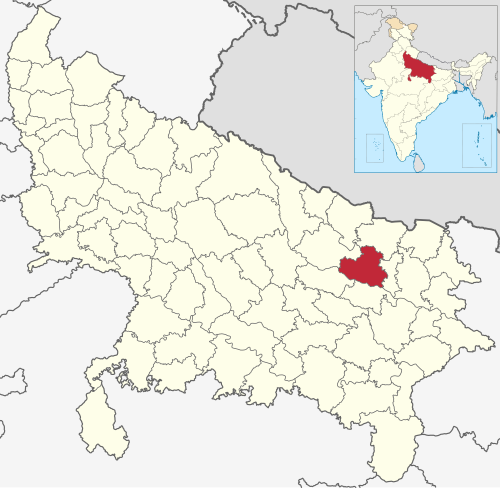
Bastī is a city located in the northern Indian state of Uttar Pradesh. It serves as the administrative headquarters of Bastī district and is known for its rich cultural heritage and historical significance. The city is situated on the banks of the Rapti River, which adds to its scenic beauty and provides a vital water source for the surrounding agricultural landscape. Bastī is part of the Awadh region, a culturally vibrant area known for its distinct traditions, cuisine, and festivals. The city is well-connected by road and rail, making it accessible for residents and tourists alike, and it features a mix of modern infrastructure alongside traditional markets and neighborhoods.
Bastī has a diverse population, primarily made up of Hindus and Muslims, which contributes to its multicultural ambiance. The economy of the city is predominantly based on agriculture, with local farmers cultivating various crops, including rice, wheat, and sugarcane. Additionally, handicrafts and small-scale industries play a role in the local economy, providing employment to many residents. Educational institutions, including schools and colleges, serve the growing population, emphasizing the importance of education in the community. The city is also known for its religious sites, including temples and mosques, which attract pilgrims and visitors from neighboring regions. Festivals such as Diwali and Eid are celebrated with great enthusiasm, reflecting the city's communal harmony and vibrant traditions. Overall, Bastī is a city that encapsulates the essence of northern India through its cultural richness, agricultural practices, and the blending of historical roots with modern growth.
Facts about Bastī
- Bastī is known for its rich cultural heritage and is often referred to as the gateway to the ancient city of Ayodhya.
- The city is part of the historical region of Avadh and has significant connections to the Ramayana, with many places of mythological importance nearby.
- Bastī is famous for its unique traditional handicrafts, including items made from bamboo and terracotta, which reflect the local artisans' skills.
- The annual Bastī Mahotsav is a prominent event celebrated with great enthusiasm, showcasing local music, dance, and crafts.
- Bastī is home to the well-known temple of Neelkantheshwar, dedicated to Lord Shiva, which attracts pilgrims from different parts of India.
- The city played a substantial role during the Indian independence movement, contributing notable leaders and social reformers.
- Bastī has a diverse population, representing a mix of various communities and cultures, which is reflected in its festivals and customs.
- The surrounding region of Bastī is known for its agricultural productivity, particularly in crops like sugarcane, rice, and pulses.
- Bastī serves as an important educational hub in the region, with several institutions promoting vocational training and higher education.
- The city has a distinct geographical advantage with its location near the banks of the Rapti River, which enhances its natural beauty and agricultural potential.