Batangas, Philippines
- 237,370 people
- 1 places to visit
- 13.7565, 121.0583
Places to Visit (1)
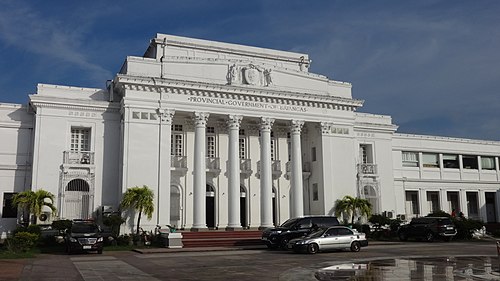
Batangas is a key city in the Philippines, located on the southern part of Luzon, approximately 110 kilometers southwest of Manila. It serves as the capital of Batangas Province and has a rich history dating back to the Spanish colonial period when it was a vital port and trade center. The city has a population of around 350,000 residents as of the latest census, making it one of the more densely populated urban areas in the region. Batangas is well-known for its picturesque coastline, with beautiful beaches, resorts, and numerous diving spots, attracting both local and international tourists.
The economy of Batangas is diverse and thriving, largely driven by agriculture, industry, and tourism. The fertile land surrounding Batangas supports the cultivation of crops such as coconut, rice, and coffee. The city also hosts several industrial parks and manufacturing plants, contributing to its status as a significant industrial hub in the region. In addition to its agricultural and industrial activities, tourism plays a crucial role in the local economy, with attractions such as Taal Volcano, one of the most active volcanoes in the Philippines, and historical sites like the Basilica of St. Martin de Tours, the largest church in the Philippines. Batangas' favorable geographic location enhances its appeal, as it serves as a gateway to various destinations in Southern Luzon and the Calabarzon region.
Batangas also boasts a rich cultural heritage, evident in its numerous festivals and culinary offerings. The annual "Araw ng Batangas," celebrated on December 8, showcases the city's history and culture through parades, street dancing, and various competitions. The local cuisine is notable for its distinct flavors, with dishes such as lomi, a thick noodle soup, and tapa, marinated beef served with rice, gaining popularity among visitors. The blending of traditional customs with modern influences makes Batangas a vibrant city that reflects both its historical significance and ongoing development. With a combination of beautiful landscapes, a growing economy, and a rich cultural tapestry, Batangas is an essential destination in the Philippines.
Facts about Batangas
- Batangas is known as the 'Land of the Brave' due to its significant role in the Philippine Revolution against Spain, providing many heroes, including Apolinario Mabini.
- The Batangas Port is one of the busiest ports in the Philippines, serving as a key gateway for trade and transportation to and from the Mindoro and Marinduque islands.
- The city is famous for its 'Lomi', a local noodle dish that has become a popular specialty, often associated with the region's culinary identity.
- Batangas is home to Taal Volcano, one of the most active volcanoes in the Philippines, located on Taal Lake and offering stunning scenic views.
- The city's historic town of Taal is recognized for its well-preserved Spanish colonial architecture, including the Taal Basilica, the largest church in the Philippines.
- Batangas is the original home of the Filipino martial art of Arnis, which is recognized as the national martial art and sport of the Philippines.
- The Batangas Seaport is a crucial transportation hub, particularly for shipping goods and people to Southern Luzon and beyond, distinguishing it from many other regions.
- The province hosts the annual 'Buhay na Pagsuso' festival, celebrating the dual heritage of agriculture and seafaring of Batangueños through various cultural exhibits and events.
- Batangas is one of the largest producers of coffee in the Philippines, contributing notably to the nation’s coffee industry, particularly with its Robusta coffee beans.
- It is also known for its rich maritime history and has several well-known dive sites, attracting divers from around the world to explore its diverse marine life.