Batavia IL, United States
- 26,495 people
- 18 places to visit
- 41.85, -88.3126
Places to Visit (18)
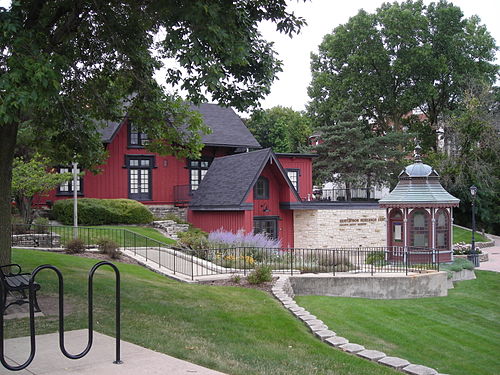
Batavia, Illinois, is a city located in DuPage and Kane counties in the United States, approximately 40 miles west of Chicago. As part of the Chicago metropolitan area, Batavia is known for its rich history, vibrant community, and picturesque setting along the Fox River. Established in the early 19th century, the city was originally settled by European immigrants, primarily of Dutch and German descent, and was named after Batavia, the capital of the Dutch East Indies. Batavia became an official city in 1872 and has since evolved into a thriving community that retains its historical charm through well-preserved architecture and a network of parks and green spaces.
The population of Batavia is estimated to be around 26,000 residents, giving it a small-town feel despite its proximity to major urban centers. The city features a mix of residential neighborhoods, commercial areas, and recreational amenities. One of the city's defining characteristics is its strong sense of community, evidenced by annual events such as the Batavia Heritage Festival, which celebrates the city's history and culture through parades, entertainment, and local food. Batavia is also home to various parks, including the expansive East Side Community Park, which offers sports facilities, playgrounds, and walking trails. Education is highly valued in the community, with Batavia School District 101 serving the area's youth and providing quality educational opportunities.
Batavia has a diverse economy, with local businesses ranging from retail shops to tech companies, benefiting from its strategic location and accessibility. The city also places a strong emphasis on sustainability, showcasing efforts to preserve its natural resources and promote eco-friendly practices. The downtown area has seen revitalization in recent years, attracting new businesses and providing a vibrant atmosphere for both residents and visitors. With its blend of historical significance, community engagement, and economic growth, Batavia represents a quintessential example of a modern Midwestern city that honors its past while looking forward to the future.
Facts about Batavia
- Batavia, Illinois, is known as the 'City of Energy' due to its rich history in hydroelectric power, being one of the first cities in the U.S. to utilize it.
- The Batavia Historical Society maintains the Batavia Depot Museum, housed in a restored railroad depot that showcases the city's railroading history dating back to the mid-19th century.
- In 2012, Batavia was named one of the 'Best Small Towns' in America by the website livability.com, highlighting its quality of life and community spirit.
- Batavia is home to the renowned Magic Waters Waterpark, one of the largest water parks in Illinois, attracting visitors from across the region during the summer months.
- The city hosts the Batavia Farmer's Market, one of the oldest in the state, providing a vibrant gathering place for local vendors and residents since 1857.
- Batavia is home to the historic Batavia Park District, established in the early 20th century, which manages numerous parks and recreational facilities, including the popular Betsey J. McCallister Park.
- The Fermi National Accelerator Laboratory, located just outside Batavia, is one of the world's leading research facilities for high-energy physics.
- Notable figures from Batavia include John C. H. Wu, the first Asian American judge in U.S. history, appointed in the 1950s.
- Batavia's annual 'Swedish Days' festival celebrates the city's Swedish heritage with various events, including a parade, food, and cultural activities.
- The city’s downtown area features a unique blend of historic architecture and modern businesses, providing a charming atmosphere for shopping and dining while retaining its historical roots.