Bath, United Kingdom
- 101,557 people
- 18 places to visit
- 51.3781, -2.3597
Places to Visit (18)
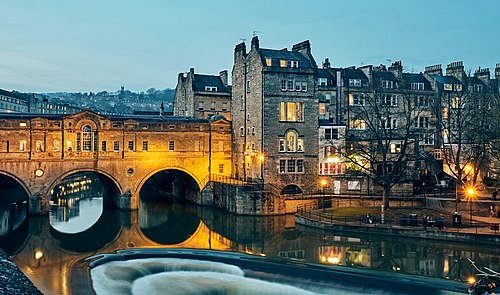
Bath is a historic city located in Somerset, England, renowned for its Roman-built baths and Georgian architecture. Founded by the Romans in AD 43, Bath was originally known as Aquae Sulis, named after the hot springs that naturally erupt in the region. The city is famous for its Roman Baths, a well-preserved site that attracts millions of visitors each year. The complex includes various baths, a temple, and an extensive museum that details the history of the baths and the Roman occupation. Bath was designated a UNESCO World Heritage Site in 1987 due to its unique architectural and historical significance, reflecting over two millennia of continuous habitation and cultural development.
In the 18th century, Bath became a fashionable spa town, attracting the elite from across Britain and beyond. This period saw the construction of iconic Georgian architecture, with landmarks such as the Royal Crescent, a sweeping crescent of terraced houses, and the Circus, a circular space surrounded by elegant townhouses. The city’s architectural legacy is complemented by institutions like the Bath Abbey, an exquisite Gothic church founded in the 7th century, and the Pulteney Bridge, an architecturally striking bridge that spans the River Avon. Bath is also known for its vibrant cultural scene, hosting festivals, theaters, and museums that reflect its rich heritage. The University of Bath adds a youthful dynamic to the city, contributing to a thriving academic community.
Today, Bath is not only a historical treasure but also a modern city that offers diverse experiences. The city boasts a range of shops, restaurants, and cafes, blending traditional and contemporary lifestyles. Its proximity to the countryside, including the Cotswolds, makes it an attractive destination for both tourists and residents seeking natural beauty and outdoor activities. Visitors can explore the scenic landscapes, enjoy the thermal waters at the modern Thermae Bath Spa, or stroll through the picturesque streets filled with history. Bath continues to be a symbol of architectural, cultural, and natural beauty, embodying a harmonious blend of the ancient and the modern.
Facts about Bath
- Bath is famous for its Roman-built baths, which are among the best-preserved ancient Roman sites in the world and were designated a UNESCO World Heritage Site in 1987.
- The city boasts the iconic Georgian architecture of the Royal Crescent, which is a sweeping crescent of 30 terraced houses designed in the 18th century.
- Bath was the birthplace of the novelist Jane Austen, and the city’s connection to her life and works is celebrated at the Jane Austen Centre.
- The Thermae Bath Spa is unique in the UK as it is the only natural thermal spa that offers both ancient and modern bathing experiences, using the same hot springs that the Romans utilized.
- Bath Abbey, with its stunning Gothic architecture, has a history dating back to 757 AD and is known for its impressive fan-vaulted ceiling and intricate stained glass windows.
- The city hosts the Bath International Music Festival, one of the longest-running festivals in the UK, showcasing a diverse range of music from classical to contemporary.
- The historic Pulteney Bridge, completed in 1774, is one of only a few bridges in the world that has shops on both sides, reminiscent of the Ponte Vecchio in Florence, Italy.
- Bath is also known for its literary history, being featured in works such as Charles Dickens' 'The Pickwick Papers' and George Eliot's 'Middlemarch'.
- The city played a significant role in the development of the British spa industry during the 18th century, attracting aristocrats and dignitaries for its therapeutic waters.
- Bath is located in a valley and is surrounded by stunning countryside, making it a hub for outdoor activities such as hiking and cycling in the neighboring Cotswolds.