Bathinda, India
- 242,800 people
- 10 places to visit
- 30.211, 74.9455
Places to Visit (10)
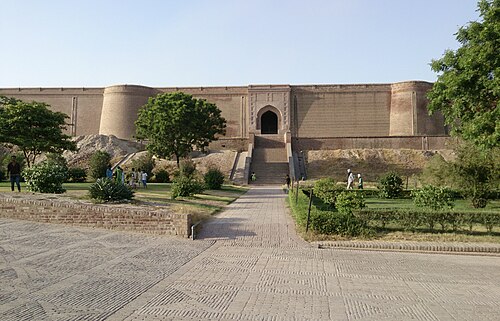
Bathinda, located in the northwestern Indian state of Punjab, is a city of historical significance and contemporary importance. It serves as a major urban center in the Malwa region and is known for its agricultural contributions, particularly in wheat and cotton production. The city has a rich historical backdrop, with origins dating back to ancient times. It is believed that Bathinda was established by the Mauryan Empire, and its historical significance is bolstered by its proximity to various ancient trade routes. The city is dotted with historical landmarks, including the Qila Mubarak, which is one of the oldest surviving forts in Punjab, showcasing architectural heritage dating back to medieval times.
In addition to its historical relevance, Bathinda is a growing hub for industry and education. The city is home to various educational institutions and has seen infrastructure development in recent years, enhancing its connectivity and economic profile. The thermal power plant located in the vicinity contributes to the energy needs of the region, while a diverse range of industries, including textiles and manufacturing, plays a vital role in the local economy. Bathinda's strategic location as a transportation nexus, with important railway and road connections, facilitates trade and commerce, making it an essential city in Punjab’s industrial landscape. Bathinda's culture is a blend of traditional Punjabi customs and contemporary urban life, highlighted through festivals, markets, and the friendliness of its residents, making it a significant destination for visitors seeking to experience the vibrancy of Punjab.
Facts about Bathinda
- Bathinda is home to the historic Qila Mubarak, one of the oldest forts in the region, believed to have been built in 1740 by the founder of the city, Maharaja Dabir Singh.
- The city is known for the Bathinda Lake, which is one of the largest artificial lakes in Punjab, providing a picturesque location for recreation and tourism.
- Bathinda has a significant place in Indian history as a major battleground during the First Anglo-Sikh War in the 1840s.
- The city's economy is bolstered by the presence of one of the largest thermal power plants in India, the Guru Nanak Dev Thermal Plant, which supports energy generation for the northern region.
- Bathinda is famous for its large concentration of five Gurudwaras, including the historical Bhai Gurdas Ji Gurdwara, attracting devotees from across the country.
- The city is also known for the Bathinda Fort, an important military structure that was built in the 18th century and remains a key tourist attraction.
- Bathinda celebrated its 200th anniversary as a municipality in 2012, showcasing its long-standing heritage and growth.
- The city hosts the annual Bathinda Festival, which aims to promote Punjabi culture through dance, music, and traditional sports.
- Bathinda is recognized as a hub for agriculture, particularly in the production of wheat and cotton, contributing significantly to India's agrarian economy.
- The city is also home to various educational institutions, including the Punjabi University Regional Center, enhancing its role in higher education in the region.