Baton Rouge LA, United States
- 228,590 people
- 8 places to visit
- 30.4515, -91.1871
Places to Visit (8)
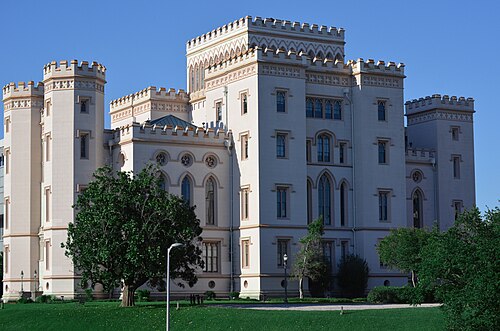
Baton Rouge, the capital city of Louisiana, is situated along the eastern bank of the Mississippi River. It is the second-largest city in the state, after New Orleans, and plays a vital role in Louisiana's governmental, educational, and economic landscape. The city was founded in 1699 by French explorer Pierre Le Moyne d'Iberville, who named it "Baton Rouge," meaning "Red Stick" in French, presumably because of the red cypress sticks used by the indigenous Houma tribe to mark territorial boundaries. Baton Rouge has a rich history influenced by French, Spanish, and American cultures, and this diversity is visible in its architecture, cuisine, and annual festivals.
Today, Baton Rouge is home to several significant institutions, including Louisiana State University (LSU), which greatly impacts the local economy and culture. The university's presence contributes to the city's vibrant atmosphere, drawing students and faculty from across the nation and around the world. Baton Rouge is also known for its thriving industries, including petrochemical, healthcare, and technology sectors, making it a critical hub for trade and industry in the Gulf South. The city's historic districts, such as the Old State Capitol and the National Historic Landmark Bell of Baton Rouge, attract tourists and history enthusiasts. Baton Rouge’s cultural identity is further enhanced by its music scene, particularly jazz and blues, while its cuisine, characterized by Creole and Cajun influences, is celebrated nationally for its bold flavors.
In terms of governance, Baton Rouge is a center for Louisiana's state government, housing the offices of the Governor and the State Legislature. The city's strategic location along the mighty Mississippi River provides it with an essential transportation advantage that supports its commerce. Despite facing challenges such as coastal erosion and periodic hurricanes, Baton Rouge has demonstrated resilience through community engagement and urban development initiatives. The city boasts numerous parks and recreational areas, contributing to a high quality of life for residents. Overall, Baton Rouge is a city rich in history and culture, marked by its unique character and significance within Louisiana and the broader United States.
Facts about Baton Rouge
- Baton Rouge is the capital city of Louisiana, known for its unique blend of French, Spanish, and Creole influences.
- The city is home to the Louisiana State Capitol, which, at 450 feet, is the tallest state capitol building in the United States.
- Baton Rouge is situated along the Mississippi River, making it a significant port city and a hub for river trade.
- The city hosts the annual Bayou Country Superfest, one of the largest country music festivals in the country, attracting top artists and large crowds.
- Baton Rouge houses the USS Kidd, a Fletcher-class destroyer that served in World War II and is now a floating museum.
- The city is known for its rich history in the oil and petrochemical industries, significantly contributing to Louisiana's economy.
- Baton Rouge is the site of several historic plantations, including the iconic Oak Alley Plantation, which showcases antebellum architecture.
- The city is also famous for its vibrant arts scene, including festivals like the Baton Rouge Blues Festival, celebrating the rich musical heritage of the area.
- Baton Rouge is home to Louisiana State University (LSU), known for its strong academics and competitive NCAA sports programs.
- The Old State Capitol, a former seat of government, is a Gothic architectural marvel that now serves as a museum dedicated to Louisiana's political history.