Battipaglia, Italy
- 47,104 people
- 15 places to visit
- 40.6093, 14.981
Places to Visit (15)
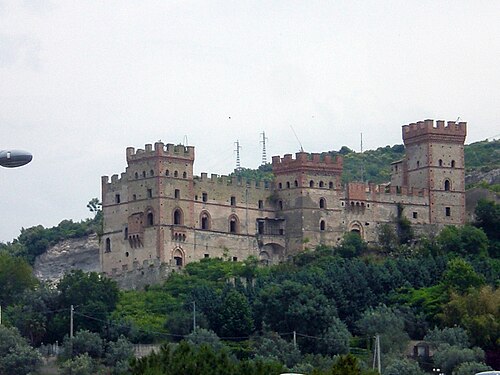
Battipaglia is a charming city located in the Campania region of Italy, nestled within the province of Salerno. It lies approximately 20 kilometers north of the city of Salerno and is known for its strategic position near the Sele River, which enhances its agricultural productivity. With a population of around 48,000 residents, Battipaglia has grown significantly in recent decades, shifting from a primarily rural community to a vibrant urban center. The city is particularly renowned for its agricultural activities, especially the production of high-quality vegetables and food products, often facilitated by its fertile plains.
Historically, Battipaglia was established in the late 19th century, although the area has been inhabited since ancient Roman times. The city's rapid development was significantly influenced by its proximity to the railway, which opened in 1866 and fostered economic growth. The city’s strategic location also makes it a hub for transportation, linking the north and south of Italy via the A3 Autostrada and facilitating access to nearby tourist destinations such as the Amalfi Coast and the archaeological sites of Paestum.
Culturally, Battipaglia offers a rich array of traditions and local festivities, including the annual Festival of San Gregorio, celebrated in the first week of September, which features parades and religious ceremonies. The city is also well-known for its culinary scene, boasting a variety of restaurants that serve traditional Campanian cuisine, including the famous local "mozzarella di bufala." The lively atmosphere, combined with its cultural heritage and economic vitality rooted in agriculture, makes Battipaglia an intriguing destination for both visitors and those interested in the dynamic landscape of modern Italian cities.
Facts about Battipaglia
- Battipaglia is renowned for its high-quality agricultural produce, particularly its famous Battipaglia potatoes, which are celebrated for their taste and texture.
- The city played a significant role in the Italian agricultural revolution during the post-World War II era, transitioning from a predominantly rural economy to a vibrant agricultural hub.
- In the early 20th century, Battipaglia became a crucial transportation hub due to its strategic location, facilitating the movement of goods and agricultural products in southern Italy.
- Battipaglia is home to the annual Fiera Nazionale della Patata (National Potato Fair), which celebrates the local potato harvest and attracts visitors from all over Italy.
- The city's location near the Sele River contributes to its fertile lands, making it one of the richest agricultural areas in the Campania region.
- Battipaglia was officially recognized as a town in 1950, after it emerged from its status as a village, marking a significant step in its development.
- The city has a blend of architectural styles, featuring both traditional buildings and modern constructions, reflecting its evolution through the years.
- Battipaglia is strategically located between Salerno and Naples, making it a convenient stop for travelers exploring the Amalfi Coast and other nearby attractions.
- The area around Battipaglia has a historical significance, with archaeological findings indicating settlements dating back to ancient Roman times.
- The local cuisine in Battipaglia is highlighted by its use of fresh produce, particularly those sourced from the surrounding farms, which is integral to its cultural identity.