Baytown TX, United States
- 76,335 people
- 16 places to visit
- 29.7355, -94.9774
Places to Visit (16)
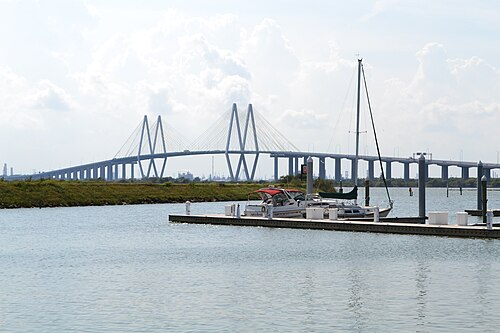
Baytown, Texas, is a city located in the southeastern part of the state, primarily within Harris County, while also extending into Chambers County. As of the 2020 United States Census, Baytown had a population of approximately 77,000 residents. The city is situated near the Houston metropolitan area, making it strategically significant for trade and commerce. Established in the early 20th century, Baytown emerged as a prominent area due to the discovery of oil in the region, leading to rapid industrial growth. The city was formally incorporated in 1948 and has since developed a diverse economy centered around the petrochemical industry, manufacturing, and service sectors. Its location along the Houston Ship Channel further enhances its industrial profile, providing access to major transportation routes that facilitate both domestic and international trade.
Culturally, Baytown offers a mix of urban and suburban living, reflected in its parks, community events, and local attractions. The city is home to several parks, such as the popular Lee College and the Baytown Nature Center, which features wetlands and wildlife observation areas. The revitalization of the downtown area's historical sites has been an ongoing effort to preserve its heritage while promoting local businesses. Additionally, the city hosts various festivals and events, fostering community engagement and celebrating its diverse population. With its blend of economic opportunity, recreational spaces, and historical significance, Baytown serves as a dynamic midpoint between Houston's urban landscape and the natural beauty of Texas.
Facts about Baytown
- Baytown is home to the Houston area's largest industrial complex, the ExxonMobil Baytown Refinery, which is one of the largest refineries in the United States.
- The city hosts the annual Baytown Art Festival, showcasing local artists and cultural activities, emphasizing its commitment to the arts in the region.
- Baytown is situated at the confluence of the San Jacinto River and Galveston Bay, making it a crucial port city with significant waterway access.
- The historic Baytown Waterworks, established in the 1920s, is among the city's most notable landmarks and reflects its early development and infrastructure.
- Baytown was originally named Goose Creek and played a vital role in the Texas Oil Boom, especially during the early 20th century.
- The city has a unique geographical feature known as the Baytown Nature Center, which spans over 450 acres and provides habitat for diverse wildlife while offering recreational opportunities.
- Baytown is part of the Greater Houston metropolitan area but retains a distinct small-town charm with local events like the Baytown Farmers Market supporting local agriculture.
- The city is known for its historical significance during World War II, as it was the site of a major shipbuilding operation.
- Baytown's Lee College is named after a prominent local figure and offers a variety of programs and services to the community, helping distinguish it as an educational hub.
- The Baytown Historic District contains several buildings listed on the National Register of Historic Places, showcasing the city's rich architectural heritage.