Beau Bassin-Rose Hill, Mauritius
- 111,355 people
- 7 places to visit
- -20.223, 57.4684
Places to Visit (7)
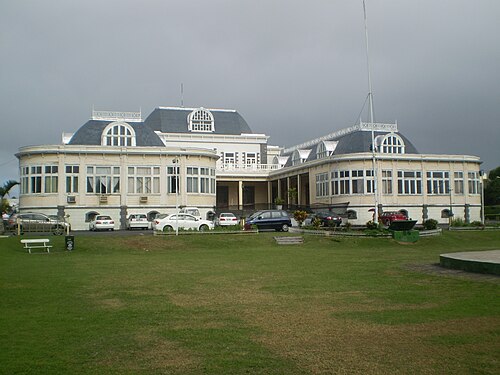
Beau Bassin-Rose Hill is a vibrant urban area located in the Plaines Wilhems district of Mauritius, situated to the west of the capital city, Port Louis. Founded during the 19th century, it emerged as a significant hub for the sugar industry and has evolved into one of the largest towns in the country, with a diverse population comprising various ethnicities, including Indo-Mauritians, Creoles, and Chinese. The town's name derives from its scenic geographical features, with "Beau Bassin" meaning "beautiful basin," and "Rose Hill" reflecting the presence of the rose plants that once flourished in the area.
Today, Beau Bassin-Rose Hill is known for its lively community and cultural dynamism. The town is home to several educational institutions, health facilities, and public amenities, serving the needs of its residents. Key landmarks include the historic Saint-George Church, established in the 19th century, and the local market, which offers an array of fresh produce and goods. Additionally, the town hosts various festivals and cultural events that celebrate its rich heritage and foster community spirit. Notably, Beau Bassin-Rose Hill has a well-developed public transport network, making it easy to access neighboring areas and enhancing its role as a suburban center for those commuting to Port Louis. The presence of parks and recreational areas also provides residents with spaces for leisure and outdoor activities. Overall, Beau Bassin-Rose Hill exemplifies the blend of tradition and modernity characteristic of Mauritian towns, contributing significantly to the island's social and economic landscape.
Facts about Beau Bassin-Rose Hill
- Beau Bassin-Rose Hill is the second-largest city in Mauritius, known for its unique blend of cultural diversity and history.
- The city is home to the only Hindu temple in Mauritius that is located on water, the Grand Bassin (Ganga Talao), a significant pilgrimage site.
- Beau Bassin-Rose Hill has a rich colonial history, with many buildings and structures dating back to the 19th century, reflecting its historical significance as a trading hub.
- The city's name 'Beau Bassin' translates to 'Beautiful Basin', referencing its picturesque natural surroundings, including the natural basin of the river.
- Beau Bassin-Rose Hill is known for its vibrant local markets, particularly the Beau Bassin market, which offers a variety of local produce and handmade goods.
- This city hosts the annual Maha Shivaratri festival, drawing thousands of devotees to the Grand Bassin to celebrate this important Hindu event.
- Beau Bassin-Rose Hill is notable for its role in the sugar industry, with numerous sugar factories that played a key part in the economic development of Mauritius.
- The city is also recognized for its educational institutions, including several prominent secondary schools and vocational training centers.
- Beau Bassin-Rose Hill has several parks and green spaces, such as the 'Jardin de la Compagnie', which serve as recreational areas for residents.
- The city is an important transportation hub, with extensive bus services connecting it to other areas on the island, making it accessible for tourists and locals alike.