Bedburg, Germany
- 24,937 people
- 13 places to visit
- 51.0017, 6.5627
Places to Visit (13)
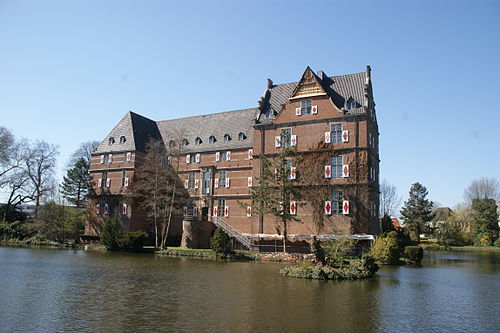
Bedburg is a picturesque town located in the North Rhine-Westphalia region of Germany, approximately 20 kilometers northeast of the prominent city of Cologne. With a population of around 25,000 residents, Bedburg combines the charm of a small town with the amenities and accessibility of a larger urban area. Historically, it has roots dating back to the Middle Ages, reflected in its rich architectural heritage and the preservation of several historical buildings. The town's name is derived from "Bede," a river that runs nearby, and "burg," which means castle, indicating its historical significance as a fortified settlement.
Today, Bedburg is known for its vibrant community and active cultural life. The town hosts various events throughout the year, including traditional festivals that celebrate local customs and heritage. Notable attractions include the ruined castle of Bedburg, which dates back to the 12th century, and St. Lambertus Church, an architectural landmark showcasing Gothic and Romanesque styles. Additionally, Bedburg benefits from its strategic location near major transportation routes, which facilitates easy access to larger cities and neighboring regions. The local economy is diverse, with a mix of industry, commerce, and service-oriented businesses, contributing to the town’s steady growth and development.
Recreational opportunities abound in Bedburg, as it is surrounded by beautiful landscapes and parks that promote outdoor activities such as hiking and cycling. The town is committed to fostering a sustainable environment, and various initiatives have been implemented to enhance the quality of life for residents. Education plays a vital role in the community, with several schools and institutions catering to the needs of families. Overall, Bedburg exemplifies a harmonious blend of historical significance, modern conveniences, and community spirit, making it a noteworthy part of Germany's cultural and geographical tapestry.
Facts about Bedburg
- Bedburg is known for its historical association with the infamous 'Bedburg Witch Trials', which took place in the early 17th century.
- The city is home to the impressive Schloss Bedburg, a Renaissance-style castle that dates back to the 15th century and hosts cultural events.
- Bedburg's population experienced a significant increase in the late 20th century due to the expansion of the industrial sector in the region.
- The city has a unique annual event called the Bedburg Carnival, which showcases local traditions and attracts visitors from surrounding areas.
- Bedburg is part of the Lower Rhine region, which is known for its distinct dialects and cultural heritage, setting it apart from other parts of Germany.
- The city is particularly notable for its commitment to sustainability and environmental conservation, being recognized as a 'Sustainable City'.
- Bedburg has a rich agricultural history, particularly known for its dairy farming, which distinguishes its local economy.
- The city's location near the Erft River provides scenic landscapes, making it a preferred destination for outdoor activities and nature lovers in the region.
- Bedburg initiated the 'European New Town' project in collaboration with other municipalities, aiming to enhance urban development and community living.
- The town has a strong community spirit, evidenced by its numerous local associations and volunteer organizations that engage citizens in civic activities.