Bedford, United Kingdom
- 106,940 people
- 18 places to visit
- 52.1387, -0.4668
Places to Visit (18)
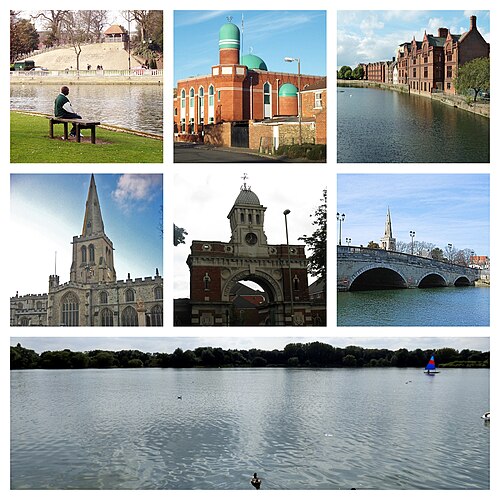
Bedford is a historic market town located in the county of Bedfordshire, England, situated approximately 50 miles north of London. With a rich history dating back to the Anglo-Saxon period, Bedford was recorded in the Domesday Book of 1086, emphasizing its significance during medieval times. The town developed along the River Great Ouse, and its geography has played an essential role in shaping its economy and culture. Bedford serves as the administrative center of the borough of Bedford and is home to a diverse population, reflecting a blend of different cultures, particularly after waves of immigration in the late 20th century.
The town has a vibrant economic landscape, historically centered around agriculture, but now featuring a mix of industries including manufacturing, retail, and education. Bedford is known for its historic architecture, with landmarks such as the 16th-century Bedford Castle, the beautiful St. Paul's Church, and the Victorian train station. The town also boasts a number of parks and green spaces, including the picturesque Bedford Park and the Embankment along the river, which are popular for recreation and community gatherings. Educationally, Bedford is home to several schools and colleges, and the University of Bedfordshire offers higher education opportunities, contributing to the town's youthful vibe.
Culturally, Bedford hosts numerous festivals and events throughout the year, celebrating its diverse community and heritage. The annual Bedford River Festival and the Bedford International Kite Festival attract visitors from across the region and beyond. The town also has a thriving arts scene, with various galleries, theaters, and music venues, including the Bedford Corn Exchange and the Beaverworks Studios. With its blend of history, culture, and economic vitality, Bedford continues to be a significant and attractive town in the United Kingdom, appealing to residents and visitors alike.
Facts about Bedford
- Bedford is known for its unique multicultural community, with a rich tapestry of cultures, particularly influenced by its significant population of individuals of Caribbean and South Asian descent.
- The town is home to the annual River Festival, which includes a parade of boats, live music, and various activities along the River Great Ouse, making it one of the largest free festivals in the UK.
- Bedford boasts the prestigious University of Bedfordshire, which has a strong emphasis on employability and offers a range of innovative courses, distinguishing it from many other towns without a university presence.
- The town features the historic Bedford Castle, which dates back to the 12th century, though now only the earthworks remain, unlike many other towns where castles are still fully intact or restored.
- Bedford is famous for its unique item known as the 'Bedford Clanger,' a traditional pastry that combines meat and fruit, setting it apart from the culinary offerings of other regions.
- The town played a significant role during World War I as a hub for military training, which is commemorated at the Bedford War Memorial, highlighting its historical contributions to national defense.
- Bedford has its own specific dialect known as 'Bedford English,' which includes distinct terms and pronunciations that reflect its local heritage.
- The John Bunyan Museum in Bedford honors the famous author of 'The Pilgrim's Progress,' celebrating his life and work, and reflecting the town's literary significance.
- Bedford has a strong sporting tradition, particularly in rugby, with the Bedford Blues, a professional rugby union club established in 1886, which distinguishes the town in terms of sports culture.
- The town has a significant connection to the Great Ouse river, which allows it to host various water-related sports and activities, setting it apart from many inland towns that lack such a feature.