Będzin, Poland
- 58,236 people
- 12 places to visit
- 50.3256, 19.1254
Places to Visit (12)
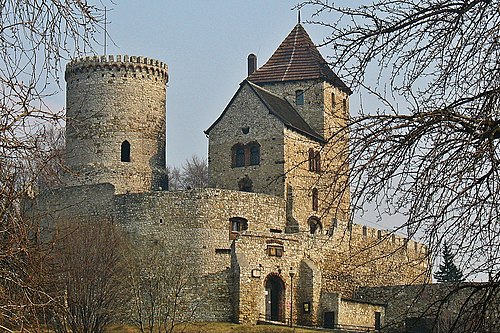
Będzin is a city located in southern Poland, situated in the Silesian Voivodeship. The city lies on the bank of the Biała Przemsza River, approximately 10 kilometers northeast of Katowice, the regional capital of Silesia. Established in the 9th century, Będzin has a rich historical heritage, transitioning from a small settlement to an important center of trade and commerce. Its strategic location along historical trade routes contributed to its development, and it became a notable stronghold, particularly during the medieval period. The city's historic castle, built in the 14th century, is one of its key landmarks and reflects the architectural styles of the time. The castle was originally constructed to defend against invasions and to control the surrounding territory.
As the city evolved over the centuries, Będzin experienced significant industrial growth, particularly during the 19th and early 20th centuries, when it became known for coal mining and metalworking. This industrial boom attracted a diverse population, including Jewish communities who played a crucial role in the city's economic life. Unfortunately, World War II brought devastation to Będzin, and the Jewish population suffered greatly during the Holocaust. Today, the few remaining remnants of the Jewish community, including synagogues and memorials, serve as poignant reminders of the city’s diverse history. Modern Będzin blends its rich past with contemporary life, featuring parks, cultural institutions, and various annual events that celebrate its heritage. The city also benefits from its proximity to larger urban centers, providing residents with access to wider economic opportunities while maintaining a unique local identity.
Facts about Będzin
- Będzin is known for its medieval Będzin Castle, which dates back to the 14th century and is one of the key architectural landmarks in the region.
- The city played a significant role during the industrial revolution in Poland, particularly in coal mining and steel production.
- Będzin was part of the historical province of Silesia and has a rich multicultural heritage, with influences from Polish, Jewish, and German communities.
- In the early 20th century, Będzin was home to a vibrant Jewish community, and today, the remnants of this heritage can be seen in the old Jewish cemetery and synagogues.
- The city hosts an annual event called the Będzin Castle Festival, celebrating medieval culture with reenactments, music, and historical crafts.
- Będzin is located on the historic trail of the 'Via Regia', an ancient trade route that connected Western Europe with the East, enhancing its historical significance.
- The city is known for the Będzin-Sosnowiec urban agglomeration, which is a significant economic region in southern Poland, promoting collaboration between neighboring cities.
- Będzin is home to several parks and nature reserves, including the 'Będzin Forests', which offer recreational opportunities and contribute to the city’s green spaces.
- Będzin has a unique natural feature called the ‘Będzin Cliff’ offering scenic views over the surrounding areas, which is quite distinctive compared to other cities in Poland.
- The city has modernized its infrastructure while maintaining its historical architecture, making it a blend of the old and new, appealing to both residents and tourists.