Beersheba, Israel
- 186,600 people
- 7 places to visit
- 31.2521, 34.7868
Places to Visit (7)
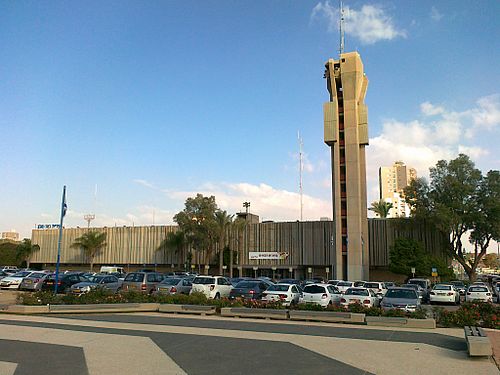
Beersheba, one of the most historic cities in Israel, serves as the capital of the Southern District and is situated in the Negev desert. Established over 4,000 years ago, it is known as the city of the patriarchs, primarily due to its biblical connections, including the story of Abraham who made a covenant with Abimelech, the king of Gerar, in this region. The name Beersheba, which translates to "well of the seven," refers to the seven lambs Abraham and Abimelech used to affirm their agreement. Throughout various periods, Beersheba has seen the influence of many different cultures and peoples, including the Canaanites, Israelites, and later Ottoman and British mandates, reflecting a rich tapestry of history.
In the modern era, Beersheba has transformed into a vibrant urban center. The city’s population has grown significantly, with an estimated 210,000 residents as of 2023, a mix of Jewish, Bedouin, and other communities. Beersheba is recognized for its ongoing development and educational institutions, particularly Ben-Gurion University of the Negev, which focuses on research and innovation, thereby attracting students and professionals from various fields. The city's economy thrives not only on its educational infrastructure but also on technology and industrial sectors, supported by the Beersheba Cyber Park, which has become a central hub for technology and cybersecurity companies. The city also plays a significant role in Israeli agriculture due to its historical wells and irrigation practices, contributing to the cultivation of a variety of crops in the arid landscape.
Culturally, Beersheba hosts multiple events and festivals that celebrate its diverse heritage. Sites of interest include the Beersheba River Park, which provides recreational opportunities, and the historic Turkish railway station that now functions as a cultural center. The city also boasts a vibrant arts scene, featuring galleries, theaters, and museums that reflect not only the local history but also contemporary Israeli culture. As a significant gateway to the Negev, Beersheba continues to develop as an essential player in Israel's socio-economic landscape, balancing its rich historical roots with modern advancements and community-focused growth.
Facts about Beersheba
- Beersheba is known as the 'Capital of the Negev,' serving as the largest city in the southern region of Israel.
- The city has a rich biblical history, often associated with the patriarch Abraham, who is said to have made a covenant with Abimelech at Beersheba.
- Beersheba is home to the unique landmark known as the Beersheba River, which is mostly dry but plays a significant role in local ecology and history.
- The city hosts the Negev Museum of Art, which showcases contemporary art and tells the story of the Negev through various exhibitions.
- Beersheba is notable for its historical Ottoman-era structures, such as the iconic Beersheba Mosque, which dates back to the early 20th century.
- The city features a vibrant Bedouin community, contributing to the cultural diversity and heritage of Beersheba.
- The Beersheba Blitz of World War I was a significant military campaign that took place near the city, leading to the capture of Beersheba by Allied forces.
- Beersheba is recognized for its technological developments and is part of Israel's 'Silicon Wadi,' attracting numerous startups and tech companies.
- The city is also famous for its annual arts and music festival, the Beersheba Arts Festival, which draws participants from across the country.
- Beersheba has a strong educational presence, housing Ben-Gurion University of the Negev, which focuses on research and development in various fields.