Beijing, China
- 18,960,744 people
- 15 places to visit
- 39.9042, 116.4074
Places to Visit (15)
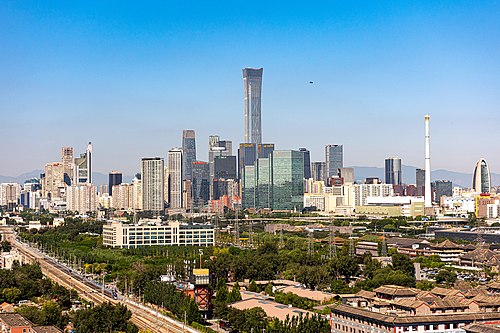
Beijing, the capital of the People's Republic of China, is one of the most populous and historically significant cities in the world. With a population exceeding 21 million, it serves as the political, cultural, and educational center of the country. The city's rich history spans over 3,000 years, with its role as a major political hub solidified when it became the capital of the Yuan dynasty in the 13th century. The Ming and Qing dynasties further established Beijing as a prominent imperial capital, evidenced by its many ancient structures, including the Forbidden City, a UNESCO World Heritage site, which served as the home of emperors and the political center of Chinese government for nearly 500 years. The city also features the Temple of Heaven, where emperors performed rituals for good harvests, and the Summer Palace, renowned for its beautiful gardens and lakes.
Modern Beijing is a vibrant metropolis, blending traditional culture with contemporary advancements. The city is famous for its iconic landmarks, including Tiananmen Square, one of the largest public squares in the world, and the Great Wall of China, a monumental feat of engineering that stretches beyond the city limits. As a hub of education, Beijing is home to some of China's top universities, including Peking University and Tsinghua University, attracting students from all over the globe. The city has undergone rapid development since the late 20th century, exemplified by its extensive public transportation system, including the Beijing Subway, which is among the most extensive in the world. Hosting the 2008 Summer Olympics showcased its modernization and raised its profile internationally. Today, Beijing continues to be a city of contrasts, where ancient traditions coexist alongside rapid urbanization, making it a focal point of both historical reverence and contemporary innovation.
Facts about Beijing
- Beijing is the capital city of China and has been the political center for over 800 years, serving as the capital of several dynasties including the Ming and Qing.
- The Great Wall of China, a UNESCO World Heritage Site, has several sections located near Beijing, making it one of the most popular tourist destinations in the world.
- Beijing is home to the Forbidden City, the largest ancient palatial structure in the world, which served as the imperial palace for 24 emperors during the Ming and Qing dynasties.
- The city hosted the Summer Olympics in 2008, significantly boosting its international profile and infrastructure development.
- Beijing is recognized for its unique blend of modern and traditional architecture, featuring structures like the Bird's Nest Stadium and traditional courtyard homes, or 'Siheyuan'.
- The city has the largest number of universities in China, including Peking University and Tsinghua University, both ranked among the top in the world.
- Beijing's hutongs, narrow alleys typically lined with traditional courtyard residences, provide a glimpse into the city's rich historical culture and lifestyle distinct from other urban areas.
- The city has a rich culinary tradition, famous for dishes such as Peking Duck, a dish that originated from Beijing and has gained international acclaim.
- Beijing's Tiananmen Square is one of the largest public squares in the world and is the site of many significant events in Chinese history, including the 1989 protests.
- The capital is also known for its air quality issues, which remain a challenge that distinguishes it from many other cities in the country.