Beirut, Lebanon
- 1,916,100 people
- 13 places to visit
- 33.8938, 35.5018
Places to Visit (13)
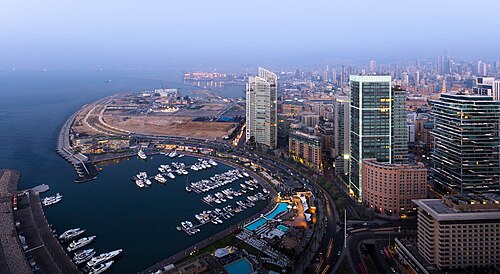
Beirut, the capital city of Lebanon, is a vibrant metropolis located on the eastern shore of the Mediterranean Sea. Known for its rich history and cultural diversity, Beirut has been a crossroads of various civilizations for thousands of years. The city’s strategic location contributed to its development as a major trading hub in the ancient world, influencing both its cultural and economic landscape. With a population of approximately 2 million in the metropolitan area, Beirut is characterized by its blend of modernity and tradition, showcasing historic architecture alongside contemporary skyscrapers. The city is often referred to as the "Paris of the Middle East" due to its cosmopolitan lifestyle, vibrant arts scene, and bustling nightlife.
Beirut has experienced significant turmoil throughout its history, particularly during the Lebanese Civil War from 1975 to 1990, which left deep scars on the city and its populace. Despite this, Beirut has shown remarkable resilience and has undergone considerable reconstruction and revitalization efforts in the years since. The downtown area, known as Solidere, has been transformed into a center for business, shopping, and dining, attracting locals and tourists alike. Cultural landmarks such as the National Museum of Beirut, the Mohammad Al-Amin Mosque, and the historic Sursock Museum reflect the city’s artistic heritage. Additionally, the culinary scene in Beirut is diverse and renowned, featuring a mix of traditional Lebanese cuisine and international flavors, which is a testament to its multicultural influences.
However, Beirut continues to face challenges, particularly in the political and economic arenas. The city has been affected by regional tensions and internal governance issues, exacerbated by the 2020 explosion at the port, which devastated large portions of the city and led to widespread social unrest. Despite these hurdles, the spirit of its people remains strong, and efforts to rebuild and reform persist. Beirut continues to be a symbol of resilience and cultural integration, embodying the complexities and dynamism of Lebanon. The city’s allure lies in its ability to blend history with modernity, making it a unique destination in the Middle East.
Facts about Beirut
- Beirut is the capital and largest city of Lebanon, known as the 'Paris of the Middle East' due to its vibrant culture and history.
- The city has a rich history that dates back over 5,000 years, making it one of the oldest continuously inhabited cities in the world.
- Beirut is home to the National Museum of Beirut, which houses an extensive collection of artifacts that trace Lebanon's history from prehistoric times to the medieval period.
- The Corniche, a seaside promenade, is a popular destination in Beirut, offering stunning views of the Mediterranean Sea and the city's skyline.
- Beirut is known for its unique blend of architectural styles, featuring a mix of modern skyscrapers alongside historic Ottoman and French colonial buildings.
- The city is famous for its thriving nightlife, with many bars, clubs, and restaurants that cater to various tastes and cultures.
- Beirut hosts the annual Beirut International Film Festival, which showcases local and international films and promotes cinematic arts in the region.
- The city has a significant multicultural population, with various religious communities coexisting, including Muslims, Christians, and Druze.
- Beirut is an important financial and commercial hub in the Middle East, hosting numerous international organizations and businesses.
- The city's recent history is marked by the Lebanese Civil War (1975-1990), which has left a lasting impact on its development and urban landscape.