Beja, Portugal
- 34,760 people
- 12 places to visit
- 38.0153, -7.8627
Places to Visit (12)
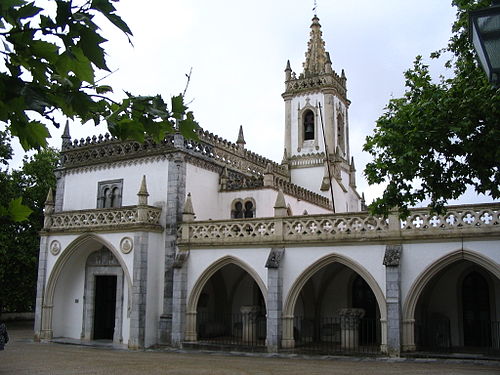
Beja is a historic city located in the Alentejo region of southern Portugal, serving as the capital of the district of the same name. Its strategic position near the border with Spain and its elevation at approximately 600 meters above sea level contribute to its significance as a cultural and economic center. With a population of around 35,000 residents, Beja boasts a rich history that dates back to Roman times. Originally known as Pax Julia, the city flourished under Roman rule and was an important administrative center. The remnants of this era, including ancient ruins and structures, are still evident today, attracting tourists and historians alike.
The architecture of Beja reflects a blend of various historical influences, showcasing styles from Roman to Gothic and Moorish periods. One of the city’s most prominent landmarks is the Beja Castle, a medieval fortification built in the 13th century, which offers panoramic views of the surrounding landscape and provides insight into the region's military history. Other notable sites include the Church of Nossa Senhora da Conceição and the Museu Regional de Beja, which houses a collection of archaeological artifacts and art that highlight the area's cultural heritage. The city is also known for its annual festivals and traditional gastronomy, which emphasize the local produce and culinary traditions of the Alentejo region, such as wines, cheeses, and various meat dishes.
In addition to its historical and cultural significance, Beja serves as a vital agricultural hub, with the surrounding region primarily focused on olive oil and wine production. The city's economy benefits from both agriculture and tourism, as visitors seek to explore its historical sites and enjoy the natural beauty of the Alentejo. Beja is well-connected through rail and road networks, making it accessible for travel from other major Portuguese cities. The combination of rich history, vibrant culture, and scenic landscapes makes Beja a noteworthy destination in Portugal, appealing to those interested in exploring the deeper narratives of the country.
Facts about Beja
- Beja is home to the impressive Beja Castle, a well-preserved medieval fortress that offers panoramic views of the surrounding Alentejo landscape.
- The city features the unique 13th-century Santa Maria Church, renowned for its stunning Manueline and Gothic architectural elements.
- Beja hosts the annual Festa de São Sebastião, an event rich in local tradition that showcases the region's cultural heritage.
- The Museu Municipal de Beja showcases a diverse collection of archaeological artifacts, including items from the Roman period that reflect the city's historical significance.
- Beja is located in the Alentejo region, known for its rolling plains and olive groves, making it one of Portugal's agricultural heartlands.
- The city has a rich Roman history, serving as the Roman settlement of Pax Julia, which was an important administrative center in the past.
- Beja is known for its hot air balloon festival, attracting enthusiasts and travelers to experience the breathtaking views of the Alentejo countryside.
- The historic Praça da República is the heart of Beja, featuring the iconic fountain and surrounded by charming cafes and shops, distinct from larger cities.
- The region around Beja is famous for producing high-quality wines, especially the wines of the Alentejo, which have gained international acclaim.
- Beja's climate is characterized by long, hot summers and mild winters, distinguishing it from many coastal cities in Portugal.