Béjaïa, Algeria
- 176,139 people
- 10 places to visit
- 36.7515, 5.0558
Places to Visit (10)
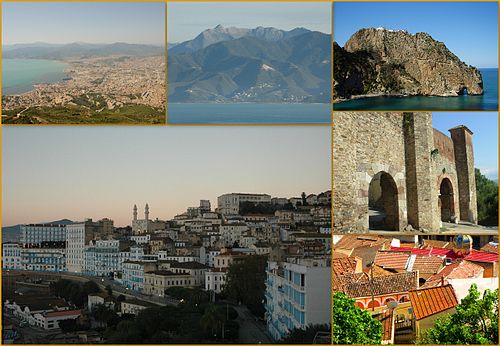
Béjaïa, a coastal city in northern Algeria, is located along the Mediterranean Sea and serves as the capital of Béjaïa Province. Historically known as Bougie, the city has a rich cultural heritage influenced by various civilizations, including the Phoenicians, Romans, Byzantines, and Ottomans. The city’s strategic location has made it an important port since ancient times, facilitating trade and commerce across the Mediterranean. Today, Béjaïa is known for its picturesque landscapes, characterized by dramatic cliffs, sandy beaches, and the stunning Kabylie region, which surrounds the city.
The economy of Béjaïa is diverse, with key sectors including agriculture, fishing, and tourism. The fertile lands in the surrounding region are conducive to the cultivation of olives, citrus fruits, and cereals, contributing to the local agricultural output. The city's port remains vital for trade, with its facilities catering to both maritime commerce and transport. Tourism in Béjaïa has grown due to its rich historical sites, including the ruins of the ancient city of Saldae, and its natural attractions, such as the Tassili n'Ajjer National Park. Visitors are drawn to the beautiful beaches along the coastline, as well as hiking opportunities in the nearby mountains. Cultural events, such as the annual Mediterranean Music Festival, showcase the region's artistic traditions and help promote Béjaïa as a cultural hub.
Béjaïa's population is predominantly Berber, reflecting the rich cultural identity of the Kabylie region. The local dialect is primarily Kabyle, and traditions such as music, dance, and artisan crafts play a significant role in the community's social fabric. The city's blend of historical significance, natural beauty, and vibrant culture makes Béjaïa a unique and essential part of Algeria's national identity. As the country continues to develop, Béjaïa's role as a cultural and economic center remains pivotal for both the local community and the broader Algerian landscape.
Facts about Béjaïa
- Béjaïa, historically known as Bougie, was a significant harbor city during the Middle Ages, serving as a trading hub for various Mediterranean cultures.
- The city is home to the Ksar of Béjaïa, a UNESCO World Heritage Site, which showcases the area's rich architectural history and traditional Berber influences.
- Béjaïa is known for its stunning natural landscapes, including the Kabylie region's mountains and the Mediterranean coastline, making it a popular destination for outdoor enthusiasts and tourists.
- The region around Béjaïa is renowned for its production of olive oil, particularly the high-quality 'Huile d'Olive de Béjaïa', which is cherished in local and international markets.
- Béjaïa was the birthplace of the famous medieval philosopher and astronomer Ibn al-Bitriq, who made significant contributions to the fields of science and philosophy.
- The city hosts the 'Béjaïa International Festival of Mediterranean Cinema', celebrating film and culture, and attracting filmmakers from across the region.
- Béjaïa has a multicultural heritage, influenced by Berber, Arab, and French cultures, which is reflected in its architecture, cuisine, and festivals.
- The town is located near the picturesque Cape Carbon, the highest lighthouse in Algeria, known for its breathtaking views and historical significance as a navigational guide.
- Béjaïa's Casbah is a distinctive feature of the city, characterized by its winding streets and historic buildings, providing a glimpse into the town's past.
- The region around Béjaïa is also famous for its biodiversity, including numerous endemic plant species and wildlife, making it an important area for conservation.