Bekasi, Indonesia
- 2,564,940 people
- 13 places to visit
- -6.2383, 106.9756
Places to Visit (13)
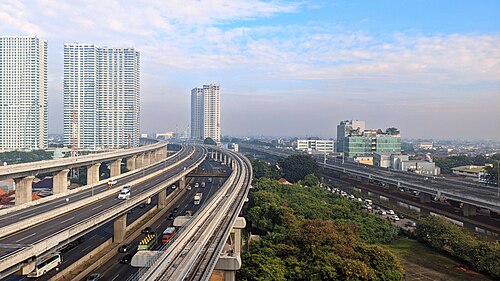
Bekasi is a vibrant city located in West Java, Indonesia, situated just to the east of the capital city, Jakarta. As part of the Greater Jakarta metropolitan area, Bekasi has experienced rapid urbanization and population growth over recent decades. The city serves as an important industrial and economic hub, attracting a significant number of manufacturing businesses and trade activities. This development has been fueled by its strategic location, excellent connectivity through toll roads and public transport, including the Commuter Line train service that links it to Jakarta, making it a popular residential choice for commuters.
Originally a small agricultural area, Bekasi transformed into a city in 1996. Today, it is the fourth most populous city in Indonesia, with a diverse demographic consisting of various ethnic groups, predominantly Javanese. The local economy is bolstered by a mix of industries, including textiles, automotive, electronics, and food processing. Shopping malls, markets, and other commercial centers cater to the needs of the growing population, further stimulating economic activity. Despite its rapid urbanization, Bekasi is also home to numerous parks and green spaces, which contribute to the city's quality of life. Cultural highlights include various traditional art forms, festivals, and culinary delights reflecting the local heritage.
The city faces challenges typical of rapid urban growth, including traffic congestion, environmental issues, and infrastructure development. However, local government initiatives aim to enhance public facilities, improve transportation systems, and promote sustainable urban planning. Educational institutions and health services are also expanding to accommodate the needs of the increasing population. Overall, Bekasi represents a dynamic blend of industrial progress, cultural diversity, and urban living, making it a significant part of Indonesia's socio-economic landscape.
Facts about Bekasi
- Bekasi is home to one of Indonesia's largest and most integrated industrial areas, making it a significant economic hub in West Java.
- The Bekasi City Park, known as Taman Kota Bekasi, features a beautiful lake and is a popular spot for local recreation and outdoor activities.
- Bekasi has a rich cultural heritage, with several local traditions and events, including the Bekasi Cultural Carnival, showcasing local arts and crafts.
- The city is strategically located adjacent to Jakarta, making it a popular residential area for people working in the capital, contributing to its rapid urban development.
- Bekasi is known for its diverse culinary scene, especially its street food, with local dishes like 'Soto Bekasi' and 'Roti Bakar' being particularly popular.
- In terms of education, Bekasi is home to several reputable universities, including President University, which attracts students from across the region.
- Bekasi has invested in modern transportation infrastructure, including the KRL Commuter Line, providing efficient transit options to Jakarta and surrounding areas.
- The city hosts the Grand Galaxy Park, which is one of the largest shopping malls in the region, offering a mix of retail, dining, and entertainment.
- Bekasi is also known for its historical significance, as it features remnants of the Dutch colonial era, evident in the architecture and layouts of certain areas.
- The Bekasi River, which runs through the city, plays a crucial role in the area's irrigation and is central to local fishing and agriculture communities.