Békéscsaba, Hungary
- 59,732 people
- 14 places to visit
- 46.6736, 21.0877
Places to Visit (14)
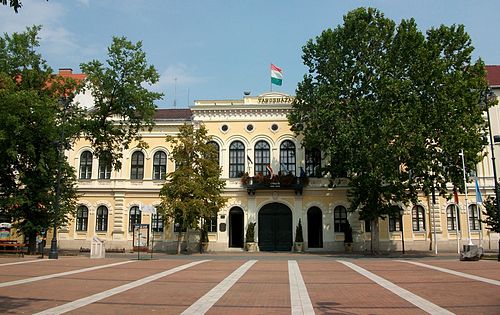
Békéscsaba is a city located in southeastern Hungary, serving as the administrative center of Békés County. Situated approximately 190 kilometers from Budapest, it lies on the banks of the Körös River. With a population of around 60,000 residents, Békéscsaba is known for its vibrant cultural heritage, rich history, and significant agricultural contributions. The city has a strong tradition in farming, especially in the production of paprika—a spice that plays a central role in Hungarian cuisine. This agricultural prominence is reflected in the local economy, which is bolstered by small and medium-sized enterprises alongside larger manufacturers engaged in various sectors, including food processing and textiles.
Historically, Békéscsaba was originally established as a town in the early 18th century, primarily settled by Hungarian and Slovak populations. The city's historical architecture includes notable buildings such as the Reformed Church and the Csaba Center, showcasing a blend of styles that highlights its development throughout the centuries. Békéscsaba also hosts numerous festivals and events that celebrate local traditions and culture, including the famous "Csabai Kolbászfesztivál," a sausage festival that attracts visitors from across Hungary and beyond. The city is also a hub for sports, particularly football, with a notable local team, Békéscsaba 1912 Előre, competing in the Hungarian football leagues. With its rich agricultural landscape, historical charm, and cultural vibrancy, Békéscsaba continues to be an important city in the Hungarian countryside.
Facts about Békéscsaba
- Békéscsaba is known as the birthplace of the famous Hungarian sausage, 'Csabai kolbász', which is a unique and traditionally produced delicacy in the region.
- The city hosts the annual 'Csabai Kolbász Festival', attracting thousands of visitors each year to celebrate its rich culinary heritage.
- Békéscsaba is home to the largest textile factory in Hungary, which has played a significant role in the local economy and employment.
- The city features a unique architectural site known as the 'Békéscsaba Memorial Stone', commemorating the victims of World War II, which stands as a testament to the town's history.
- Békéscsaba has a significant cultural scene, including the Békéscsaba Aba Novák Agóra Cultural Center, which serves as a hub for various artistic performances and exhibitions.
- The city is situated on the Great Hungarian Plain, providing it with a rich agricultural backdrop and a distinct landscape compared to more hilly regions of Hungary.
- Békéscsaba boasts an array of thermal baths, making it a notable spot for wellness tourism, paralleled with a few other locations in Hungary.
- The locals celebrate a unique tradition called 'Farsang', which is a carnival season that features colorful parades and lively street festivities not found in many other parts of Hungary.
- Békéscsaba was formerly known for its wine production, particularly for some unique local varieties that are lesser-known compared to other Hungarian wines.
- The city is recognized for its vibrant sports scene, especially in football and handball, boasting several successful teams that contribute to Hungary's sports culture.