Bełchatów, Poland
- 62,896 people
- 11 places to visit
- 51.3688, 19.3564
Places to Visit (11)
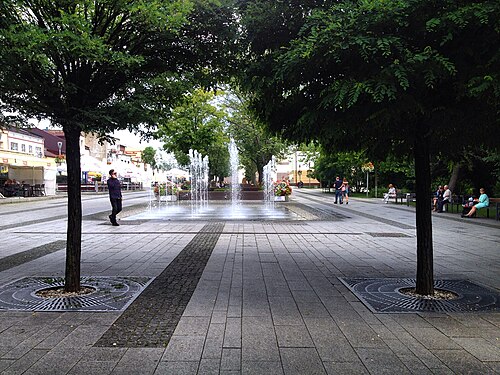
Bełchatów is a city located in central Poland, within the Łódź Voivodeship. It is situated approximately 60 kilometers southwest of Warsaw and 30 kilometers northeast of Łódź, making it an important urban center in the region. According to the 2021 census, Bełchatów has a population of around 59,500 inhabitants, marking it as a significant industrial and commercial hub. The city's economic profile heavily revolves around the energy sector, particularly due to the presence of the Bełchatów Power Station, one of the largest brown coal-fired power plants in Europe. This facility plays a crucial role in Poland's energy production, contributing to national electricity supply and serving as a major employer in the area.
Founded in the early 20th century, Bełchatów began as a small village and gradually transformed into a town in 1951. Its development was significantly accelerated after the discovery of lignite deposits in the region, which led to extensive mining and energy production activities. The city is also known for its unique landscape, marked by large open-pit mines and the subsequent reclamation of these areas, resulting in the creation of lakes and recreational spaces. Bełchatów is characterized by a blend of modern industry and cultural heritage, with several parks, historical sites, and community amenities that enhance the quality of life for its residents. The city's commitment to sustainable development and modernization reflects the broader trends in Poland's transition towards green energy initiatives, aiming to reduce carbon emissions and diversify energy sources.
Facts about Bełchatów
- Bełchatów is known for housing one of the largest coal-fired power plants in Europe, the Bełchatów Power Station, which significantly contributes to Poland's energy production.
- The city is located near the Bełchatów and Szczerców coal deposits, making it a crucial center for the mining industry in Poland.
- Bełchatów is home to the Bełchatów Sports Center, which hosts various sports events, and is also known for its successful handball team, GKS Bełchatów.
- The city has developed a unique urban park, Park Wolności, which features various ecological and educational installations promoting environmental awareness.
- Bełchatów is often referred to as the 'green city' due to its significant efforts in promoting renewable energy and sustainable development practices around its industrial activities.
- The area around Bełchatów is renowned for its rich flora and fauna, with several protected areas nearby, including the Białka River nature reserve.
- The city hosts the annual Święto Rybaka (Fisherman's Day), celebrating the local fishing traditions along with food and cultural activities.
- Bełchatów is distinguished by its strong educational institutions, particularly in the fields of environmental science and energy-related studies.
- The city has a vibrant cultural scene, with various festivals throughout the year, including the Bełchatów Cultural Days, which showcase local arts and crafts.
- Bełchatów's history dates back to the early Middle Ages, when it was a significant settlement associated with trade routes, distinguishing it from many modern cities in Poland.