Belfast, United Kingdom
- 345,418 people
- 20 places to visit
- 54.5973, -5.9301
Places to Visit (20)
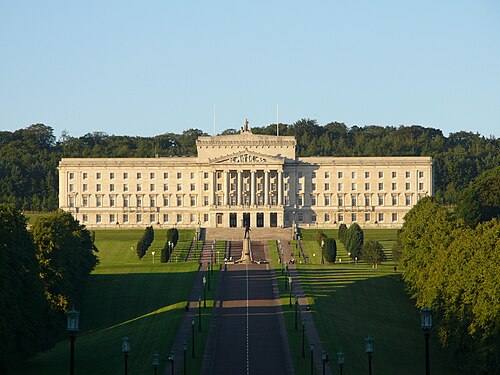
Belfast, the capital city of Northern Ireland, is situated on the eastern coast of the island of Ireland along the banks of the River Lagan. It is one of the largest cities in the UK, boasting a rich industrial heritage that was historically centered around shipbuilding, textile manufacturing, and tobacco production. The city gained international fame as the birthplace of the RMS Titanic, the ill-fated ocean liner that was constructed at the Harland & Wolff shipyard in the early 20th century. Today, the Titanic Quarter serves as a prominent tourist attraction, featuring the Titanic Belfast museum, which opened in 2012 and offers an immersive experience centered on the history of the ship and its legacy.
Belfast's cultural landscape is diverse and vibrant, characterized by its historic architecture, lively arts scene, and extensive parks and gardens. The city is home to several notable landmarks, including the neo-Gothic City Hall, the iconic Crown Liquor Saloon, and the striking Ulster Museum. The population is known for its friendliness, and the city has become increasingly popular with tourists seeking to experience its unique blend of history, culture, and nightlife. Over recent decades, Belfast has undergone significant revitalization and economic development, particularly in its city center and waterfront areas, leading to a burgeoning hospitality sector and a growing reputation as a cultural hub.
Despite its troubled past during the conflict known as "The Troubles," which lasted from the late 1960s until the 1998 Good Friday Agreement, Belfast has made significant strides toward reconciliation and peace. This transformation is evident in the increasing number of visitors and investment in the region. Important historical sites such as the Peace Wall, murals depicting the city’s political history, and the Cathedral Quarter, a creative and cultural district, reflect the enduring impact of this period on the city’s identity. Today, Belfast is viewed as a symbol of resilience and hope, balancing its rich history with modern vibrancy and promising opportunities for the future.
Facts about Belfast
- Belfast is known as the birthplace of the RMS Titanic, with the Titanic Quarter housing the Titanic Belfast visitor experience, which is the world's largest Titanic-themed attraction.
- The city has a rich industrial heritage, having been a major shipbuilding hub in the 19th and early 20th centuries, producing many famous ships aside from the Titanic, including the Britannic and the Oceanic.
- Belfast is home to the Ulster Museum, which showcases an extensive collection of art, history, and natural sciences, making it one of the leading museums in Northern Ireland.
- The city has the largest collection of Edwardian and Victorian architecture in the UK outside London, with notable buildings like the City Hall and the Grand Opera House.
- Belfast is famous for its vibrant cultural scene, including the annual Belfast Film Festival and the Belfast Festival at Queen's, which attracts artists from around the world.
- The city was the first in the UK to introduce a bus lane, which opened in 1965, reflecting its historical commitment to innovative public transport solutions.
- Belfast is known for its significant political murals that depict both historical and contemporary events, particularly related to the Troubles, serving as an open-air gallery of the city's history.
- The Botanic Gardens in Belfast is home to the Palm House and the Tropical Ravine, which are two of the best examples of Victorian glasshouses in the UK.
- Belfast has a unique culinary scene, including its famous Ulster fry, a traditional breakfast that features a range of local ingredients.
- The city hosts the annual Belfast Pride Parade, one of the largest LGBTQ+ events in Northern Ireland, celebrating diversity and inclusion.