Belford Roxo, Brazil
- 466,096 people
- 15 places to visit
- -22.7606, -43.4037
Places to Visit (15)
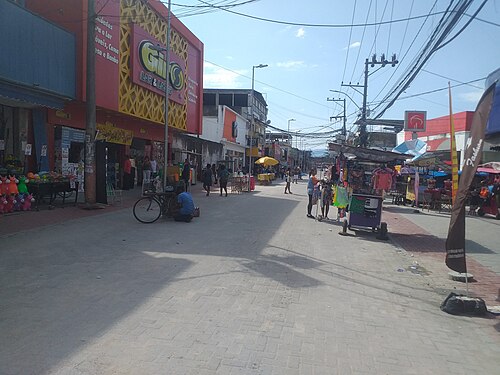
Belford Roxo is a municipality located in the state of Rio de Janeiro, Brazil. Positioned in the Baixada Fluminense region, it is part of the Metropolitan Region of Rio de Janeiro, making it an essential suburb in relation to the state capital. The municipality was founded in 1948, but its history dates back to the colonial era when it was primarily an agricultural region. Today, it has evolved into a densely populated urban area, contributing significantly to the housing and labor demands in Rio de Janeiro.
As of the latest estimates, Belford Roxo has a population of over 500,000 people, making it one of the most populous municipalities in the state. The city is characterized by a diverse demographic, with a mix of cultures and social backgrounds. The economy of Belford Roxo is largely driven by commerce, services, and light manufacturing, with many residents commuting to Rio de Janeiro for work. Despite its urbanization, the area faces several challenges typical of large metropolitan suburbs, including issues related to infrastructure, public transportation, and social inequality. Efforts by local government and community organizations are ongoing to improve living conditions and promote economic development.
Belford Roxo is also known for its cultural vibrancy, featuring various local festivals and events that celebrate its heritage and community spirit. The municipality is home to several educational institutions and health services, reflecting its importance as a suburban center. Additionally, the natural landscapes surrounding Belford Roxo contribute to its appeal, with parks and green areas that offer recreational opportunities. Though facing the challenges of urban migration and development, Belford Roxo continues to play a vital role in the socio-economic fabric of the Rio de Janeiro metropolitan area.
Facts about Belford Roxo
- Belford Roxo is known for being one of the largest municipalities in the state of Rio de Janeiro in terms of population, showcasing its rapid urban growth.
- The city was officially founded on November 30, 1990, but its origins date back to the 19th century, making it a relatively young municipality with historical roots.
- Belford Roxo has a unique location as it is situated near the borders of the state of Rio de Janeiro and the city of Nova Iguaçu, offering strategic connectivity to the capital, Rio de Janeiro.
- The municipality is known for its cultural diversity, with significant populations of Afro-Brazilian, indigenous, and immigrant communities, contributing to a rich cultural tapestry.
- Belford Roxo hosts several annual festivals, celebrating its local traditions and culture, which include music, dance, and food events that highlight its community spirit.
- The city is home to the Parque Natural Municipal da Serra do Martelo, a protected nature reserve that showcases the area's diverse flora and fauna, making it a popular spot for eco-tourism.
- Belford Roxo's local economy is diverse, with industries ranging from commerce and services to manufacturing, which distinguishes it from many other municipalities in the region predominantly focused on tourism.
- The city has a strong presence of public housing programs aimed at alleviating poverty, which reflects its socio-economic initiatives compared to other cities in the region.
- Belford Roxo has historically faced socio-economic challenges, but it has made strides in education and community development, becoming a focal point for social projects in Greater Rio de Janeiro.
- The city's football culture is vibrant, with local clubs contributing to community identity and social cohesion, playing a significant role in its local traditions and community engagement.