Belgrade, Serbia
- 1,273,651 people
- 18 places to visit
- 44.8125, 20.4612
Places to Visit (18)
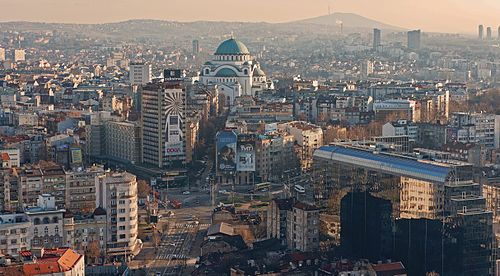
Belgrade, the capital of Serbia, is one of the oldest continuously inhabited cities in Europe, with a history that spans over 7,000 years. Situated at the confluence of the River Sava and the Danube, the city is not only geographically significant but has also served as a strategic crossroads throughout various historical epochs. Its storied past has seen it rise and fall under multiple empires, including the Roman, Ottoman, and Austro-Hungarian. The city’s rich cultural heritage is reflected in its diverse architecture, from the remnants of its medieval fortress at Kalemegdan to the neoclassical National Museum and the modernist structures of the 20th century. Belgrade has long been a melting pot of cultures, which is evident in its vibrant arts scene, buzzing nightlife, and dynamic culinary offerings, making it a unique destination in the Balkans.
In contemporary times, Belgrade is known for its resilience and adaptability, having navigated the challenges of the 1990s during the Yugoslav Wars and the subsequent transitions from socialism to a market economy. The city's population, estimated at about 1.2 million, is the largest in Serbia, contributing to its role as the country's political, economic, and cultural center. Belgrade hosts numerous international events and festivals that draw tourists from around the globe, showcasing everything from music and film to traditional Serbian folklore. The city's neighborhoods, such as the historic Skadarlija, known for its bohemian spirit, and the bustling district of New Belgrade, reveal the city's blend of old-world charm and modern urban lifestyle. Despite facing challenges such as economic development and infrastructure improvements, Belgrade remains a city defined by its youthful energy and a strong sense of identity, making it a continually evolving hub of Balkan life.
Facts about Belgrade
- Belgrade is one of the oldest cities in Europe, with a history that dates back to the 3rd century BC.
- The confluence of the River Sava and the Danube is located in Belgrade, making it a significant geographical and economic hub.
- Belgrade Fortress, a historic fortress that overlooks the city, has been a vital strategic point throughout history and offers panoramic views of the rivers.
- The city is known for its vibrant nightlife, with a plethora of floating clubs and bars on the rivers, making it a unique party destination.
- Belgrade hosts the annual EXIT Festival, which has gained international recognition and attracts music lovers from all over the world.
- The Nikola Tesla Museum, dedicated to the famous inventor who was born in the region, is located in Belgrade and showcases his inventions and legacy.
- Kalemegdan Park, surrounding the Belgrade Fortress, is a historical and recreational area that reflects the city's rich cultural heritage.
- Belgrade has a diverse architectural landscape, featuring influences from various periods, including Ottoman, Austro-Hungarian, and Brutalist styles.
- The city was significantly impacted during the Yugoslav Wars in the 1990s, leaving a profound historical imprint and a complex narrative of resilience.
- Belgrade is home to the St. Sava Temple, one of the largest Orthodox churches in the world, which serves as a monumental symbol for the Serbian Orthodox Church.