Bello, Colombia
- 392,939 people
- 15 places to visit
- 6.3367, -75.5596
Places to Visit (15)
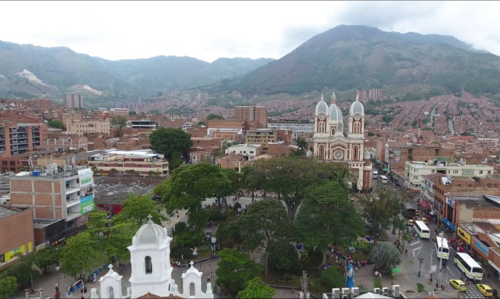
Bello is a city located in the Aburrá Valley of Colombia, situated approximately 10 kilometers north of Medellín, the capital of the Antioquia department. As part of the Metropolitan Area of Medellín, Bello is one of the most populous cities in Colombia, with a population of over 600,000 residents. The city was officially founded on April 7, 1624, by the Spanish conquistador Francisco de Herrera y Sotomayor. Its name, which means "beautiful" in Spanish, is attributed to the scenic views offered by the surrounding mountains and landscapes. Bello is characterized by a mix of urban and rural areas, blending modern infrastructure with traditional Colombian culture.
Economically, Bello is known for its vibrant industrial sector, which includes textiles, manufacturing, and food processing. The city's strategic location near Medellín allows it to benefit from established trade routes and access to larger markets. Bello has also been the center of various community initiatives aimed at enhancing local entrepreneurship and boosting the economy. The recent development of public transportation, such as the Medellín Metro, which includes a line that connects to Bello, has greatly improved accessibility and contributed to the city’s growth. Additionally, Bello hosts several educational institutions, providing residents access to secondary and higher education.
Culturally, Bello is home to numerous festivals and events that reflect its rich heritage. The Festival of San Félix, celebrated in celebration of the patron saint of the local community, features traditional music, dance, and gastronomy, drawing visitors from nearby regions. The city also boasts various parks, art galleries, and historical sites that showcase its artistic expression and historical importance. As part of the broader Antioquian culture, Bello is known for its warmth and friendly hospitality, making it an important cultural enclave in Colombia. With its combination of economic dynamism and cultural richness, Bello continues to play a significant role in the development of the Antioquia region.
Facts about Bello
- Bello is known for being one of the oldest cities in the department of Antioquia, founded in 1626.
- The city is characterized by its unique architecture, with several historical buildings that reflect colonial styles, particularly in its central square, Parque de Bello.
- Bello is recognized for its vibrant cultural scene, hosting events such as the Festival of the Devil, which celebrates local folklore and traditions.
- The area is famous for its production of flowers, particularly orchids, and has been a significant contributor to Colombia's reputation as a major flower exporter.
- Bello has a distinct transportation system that includes an integrated metro system, which differentiates it from many other towns and cities in Colombia.
- The population of Bello is known for its strong community and local pride, often participating in various civic activities and neighborhood associations.
- Bello is home to the notable San Félix Church, a landmark that showcases intricate architectural details and serves as a central place of worship in the city.
- The city has a rich history associated with the mining industry, especially gold mining during the Spanish colonial period, which has shaped its economic development.
- Bello's athletic culture is highlighted by its famous football team, Atlético Nacional, which has won numerous national championships and continental titles.
- The annual Feria de las Flores (Flower Festival) extends to Bello, allowing the city to share in the vibrant celebrations that represent the region's botanical heritage.