Belmopan, Belize
- 13,381 people
- 6 places to visit
- 17.251, -88.759
Places to Visit (6)
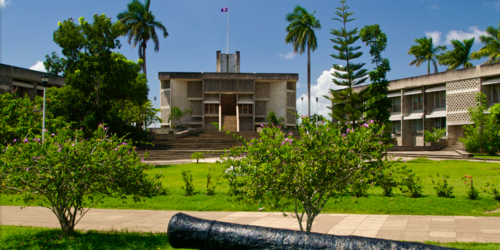
Belmopan, the capital city of Belize, is situated in the central part of the country along the banks of the Belize River. Established in 1970, it was built to replace Belize City after the latter suffered extensive damage from Hurricane Hattie in 1961. As one of the newest capitals in the world, Belmopan was designed to be modern and well-planned, featuring a structured layout that promotes easy navigation. The city is renowned for its green spaces, including the nearby Belize Zoo and various parks that provide a haven for both local wildlife and residents. With a population of approximately 20,000 people, Belmopan is one of the smallest capital cities in the world.
The city serves as the administrative and political center of Belize, housing key government institutions such as the National Assembly, the Office of the Prime Minister, and various ministries. Its economic activities are centered around government services, commerce, and tourism, with local businesses complementing the predominantly service-oriented economy. Belmopan is also notable for its multicultural atmosphere, reflecting the diverse population of Belizeans of Creole, Mestizo, and Mayan heritage. The city features a mix of modern infrastructure and traditional architecture, showcasing both Belize's contemporary progress and its cultural history. Annual events and festivals further enrich the community's social fabric, attracting visitors and promoting local culture. With its strategic location between Belize City and the western border with Guatemala, Belmopan continues to grow in importance as a hub for trade and culture in Central America.
Facts about Belmopan
- Belmopan is the capital city of Belize, established in 1970 as a planned city, relocating the capital from Belize City after Hurricane Hattie in 1961.
- Belmopan is one of the smallest capital cities in the world, with a population of around 20,000 people, making it unique compared to larger urban centers in the country.
- The city is strategically located near the geographic center of Belize, providing easy access to various parts of the country and serving as a hub for governance and administration.
- Belmopan is known for its green spaces and parks, including the lush and expansive Belmopan Botanical Gardens, which showcase the biodiversity of Belize.
- The city features the iconic National Assembly Building, which is distinct for its colorful design and unique 'Mayan-style' architecture, setting it apart from other architectural styles in the country.
- Belmopan hosts the annual Belmopan Fair, celebrating local culture and traditions with parades, food, and entertainment, making it a prominent event in the city's calendar.
- The city was designed with a focus on sustainability and environmental consciousness, with initiatives aimed at promoting green living and urban planning.
- Belmopan serves as a key administrative center for international organizations and embassies, being the host city for various diplomatic missions in Belize.
- Unlike Belize City, which is situated by the coast, Belmopan is inland, offering a different environment with lush surroundings and a more temperate climate.
- The city is culturally diverse, with a blend of various ethnicities and communities contributing to its unique social fabric, distinct from other more homogeneous areas in the country.