Belo Horizonte, Brazil
- 2,721,564 people
- 18 places to visit
- -19.9191, -43.9387
Places to Visit (18)
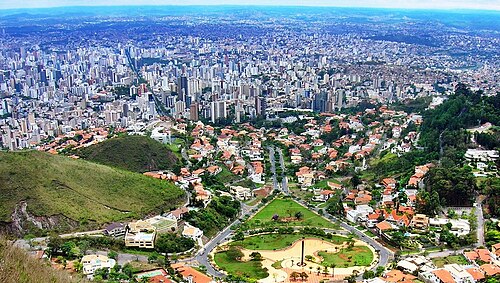
Belo Horizonte, the capital of the state of Minas Gerais, Brazil, is a vibrant city known for its unique urban planning and rich cultural heritage. Founded in 1897, it was designed by the architect Aarão Reis and is distinguished by its orderly layout, with wide avenues and green spaces. The city is situated in a valley surrounded by mountains, providing a picturesque landscape that is highly regarded by residents and visitors alike. Belo Horizonte, often referred to as "BH," is Brazil's sixth-largest city, boasting a population of approximately 2.5 million people in its metropolitan area. The city is a hub for commerce, education, and culture, featuring numerous universities and research institutions that contribute to its intellectual atmosphere.
Culturally, Belo Horizonte is known for its diverse culinary scene, characterized by traditional Minas Gerais cuisine, which includes dishes such as pão de queijo (cheese bread) and feijão tropeiro (a hearty bean dish). The city is also famous for its vibrant music scene, particularly in genres like samba and axé, and hosts several festivals throughout the year. The Pampulha Modern Ensemble, a UNESCO World Heritage site, showcases the city's commitment to modern architecture, with notable works by Oscar Niemeyer. Additionally, Belo Horizonte is renowned for its nightlife, with numerous bars and eateries offering a social atmosphere, particularly in the Savassi neighborhood. The city’s numerous parks and green areas, such as Parque das Mangabeiras and Parque Municipal Américo Renné Giannetti, provide residents with recreational spaces that highlight its natural beauty. Overall, Belo Horizonte is a dynamic city that melds a rich history with modern development, making it an important center for culture and economy in Brazil.
Facts about Belo Horizonte
- Belo Horizonte was one of the first planned cities in Brazil, designed in the late 19th century with a radial layout, which was innovative for its time.
- The city is home to the Pampulha Modern Ensemble, a UNESCO World Heritage site, featuring iconic architecture by Oscar Niemeyer, including the Pampulha Church.
- Belo Horizonte is known for its rich culinary scene and is famed for its unique version of 'pão de queijo', a popular cheese bread that originated in the state of Minas Gerais.
- The city's name translates to 'Beautiful Horizon', and it is situated in a valley surrounded by mountains, offering picturesque views and a mild climate.
- Belo Horizonte has one of the highest per capita income rates in Brazil, making it an economic hub in the southeastern region of the country.
- The city hosts the annual Festival Internacional de Gastronomia, celebrating local food, culinary arts, and cultural diversity.
- Belo Horizonte's Mercado Central is one of the largest traditional markets in Brazil, known for its wide variety of local food products, crafts, and souvenirs.
- The city is recognized for its high concentration of green spaces, including parks like Parque das Mangabeiras and the Municipal Park, enhancing its quality of life.
- Belo Horizonte is often referred to as 'the Garden City' due to its numerous gardens and environmental initiatives aimed at sustainable urban development.
- It serves as a cultural hub, home to several theaters, museums, and art galleries, including the Museu de Artes e Ofícios which focuses on Brazilian craftsmanship.