Bender, Moldova
- 110,175 people
- 6 places to visit
- 46.8228, 29.462
Places to Visit (6)
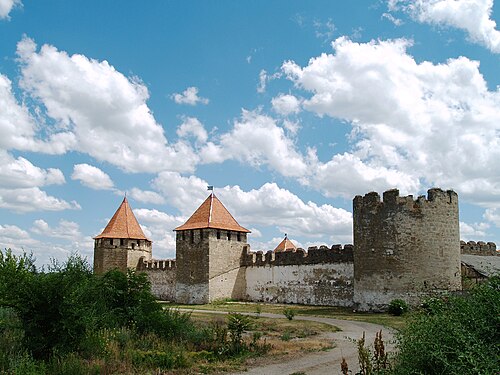
Bender, also known as Tighina, is a city located in the Transnistria region of Moldova, situated on the banks of the Dniester River. It has a population of around 100,000 people, making it the second-largest city in Transnistria. Bender's history dates back to ancient times, with roots tracing to the 6th century when it was founded as a fortress to protect trade routes. Over the centuries, the city has seen various powers rule over it, including the Ottomans, Russians, and Soviets, each leaving their imprint on its architecture and culture. The city's historical landmarks include the Bender Fortress, built in the 16th century, which now serves as a museum and a significant tourist attraction.
In contemporary times, Bender is notable for its strategic position and as a cultural hub within the unrecognized breakaway republic of Transnistria, which declared independence from Moldova in 1990. Although Transnistria is not internationally recognized, it operates with its own government and military, functioning somewhat independently from Moldova. Bender's economy relies heavily on manufacturing and industry, including food processing, textiles, and engineering, further bolstered by its proximity to the Dniester, which facilitates trade. As a multi-ethnic city, it is home to a diverse population, including Moldovans, Russians, Ukrainians, and others, contributing to its rich cultural tapestry. The city is known for its Soviet-era architecture, vibrant markets, and cultural events, reflecting the complex history and identity of the region.
Facts about Bender
- Bender is known for its historical significance as a stronghold during various military conflicts, particularly due to its strategic location on the Dniester River.
- The city is home to the Bender Fortress, a 16th-century fortification that is one of the most important historical landmarks in Moldova.
- Bender is notable for its multicultural heritage, with a diverse population that includes Romanian, Russian, Ukrainian, and Gagauz communities.
- The city played a significant role during the Russo-Turkish War in the 18th century, with the fortress serving as a key defensive point.
- Bender is part of the Transnistria autonomous region, which has declared independence from Moldova but is not recognized by the international community.
- The city hosts the Bender Military History Museum, which showcases the region's military past and is a unique attraction for history enthusiasts.
- Bender is famous for its annual folk festival celebrating traditional Moldovan culture, featuring music, dance, and local cuisine, which distinguishes it from other cities.
- The Dniester River, which runs near Bender, offers recreational activities and scenic views, making it a popular spot for both locals and visitors.
- Bender has a unique architectural blend that reflects its history, with examples from Ottoman, Russian, and Soviet influences visible throughout the city.
- The local economy of Bender has seen growth due to its position as a trade and industrial center within the Transnistrian region.