Bengkulu, Indonesia
- 373,591 people
- 6 places to visit
- -3.7928, 102.2608
Places to Visit (6)
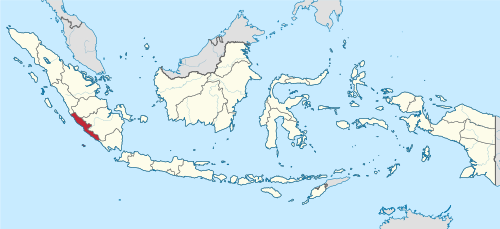
Bengkulu is a province in Indonesia located on the western coast of Sumatra. The provincial capital, also named Bengkulu, is a coastal city with a rich history and diverse cultural heritage. Positioned along the Indian Ocean, the city serves as an important port and trade center. It covers an area of approximately 19,974 square kilometers and has a population of around 1.2 million people, primarily consisting of ethnic Malays, Javanese, and Minangkabau, among others. The city features a tropical rainforest climate, with a wet season from November to February and a dry season from March to October, making it an attractive spot for agriculture and fishing.
The historical significance of Bengkulu can be traced back to the British colonial period, when it was a strategic outpost in the region. The city was once the residence of the British governor Sir Thomas Stamford Raffles, who is known for his role in the founding of Singapore. The remnants of this colonial legacy can still be seen in various historical sites, such as Fort Marlborough, which was built in the 18th century and is one of the largest forts built by the British in Southeast Asia. Today, Bengkulu is known for its beautiful beaches, such as the popular Pantai Panjang, as well as natural attractions like the Bukit Barisan Selatan National Park, which is home to diverse flora and fauna, including endangered species like the Sumatran tiger and the Sumatran elephant. The city also hosts various cultural festivals, showcasing traditional music, dance, and culinary delights that reflect the unique blend of influences present in the region.
Facts about Bengkulu
- Bengkulu was the site of British colonization in Indonesia during the early 19th century, specifically under the British East India Company, which distinguishes its colonial history from other regions.
- The city is home to the iconic Fort Marlborough, built by the British in the late 18th century, which is one of the largest forts ever constructed by the British in Southeast Asia.
- Bengkulu is known for its unique culture that blends Malay, Javanese, and Aboriginal influences, reflected in its traditional music, dance, and crafts.
- The city is the birthplace of the first Indonesian president, Soekarno, and it is celebrated for its historical significance in Indonesia's fight for independence.
- Bengkulu has a distinct culinary tradition featuring dishes that use local seafood and spices, such as 'Pendap,' a fish dish cooked with herbs and wrapped in banana leaves.
- The Bengkulu Province hosts the annual Bengkulu Tabot Festival, commemorating the mourning of the Prophet Muhammad's grandson, which is a unique cultural and religious event not widely observed in other regions of Indonesia.
- Bengkulu's natural landscape includes the beautiful Kepahiang mountains and numerous beaches, making it a unique destination for eco-tourism and outdoor activities in Indonesia.
- The city has a notable presence of Lahar (volcanic mud) and hot springs, particularly in the nearby districts, which attracts visitors interested in natural geothermal phenomena.
- Bengkulu is also known for its vibrant traditional artisanal crafts such as 'Songket,' a handwoven fabric that is rich in cultural significance and visual appeal.
- The province is part of the World Network of Biosphere Reserves thanks to the nearby Bukit Barisan Selatan National Park, known for its rich biodiversity and conservation efforts, distinguishing it from other Indonesian cities.