Benguela, Angola
- 555,124 people
- 4 places to visit
- -12.5905, 13.4165
Places to Visit (4)
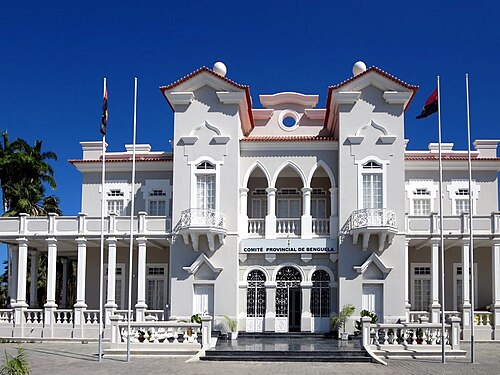
Benguela is a significant port city located on the central coast of Angola, situated along the Atlantic Ocean. It serves as the capital of the Benguela Province and is one of the country's most important urban centers. Historically, Benguela has been a key player in Angola's trade, particularly during the colonial era when it was a major point for the export of products like coffee, sugar, and diamonds. The city has a rich cultural heritage, influenced by its colonization by the Portuguese, and reflects a blend of African and European traditions. Its architecture, featuring colonial-era buildings alongside modern structures, provides a glimpse into its historical evolution.
With a population of approximately 500,000 residents, Benguela is characterized by its vibrant communities and economic activities. The city has a growing economy, primarily driven by fishing, commerce, and agriculture, with many residents engaged in small-scale enterprises. The port of Benguela plays a crucial role in facilitating trade and transportation, connecting Angola to international markets. In addition to its economic significance, the city is also known for its picturesque beaches, such as Praia da Caotinha and Praia da Lua, which attract both locals and tourists. Cultural events, music, and festivals are integral to life in Benguela, showcasing the rich traditions of the Angolan people. Educational institutions and healthcare facilities continue to develop, reflecting the city’s progress and potential for growth in the coming years. Overall, Benguela stands as a dynamic city with a blend of historical significance and contemporary development, forming an essential part of Angola's national identity and future.
Facts about Benguela
- Benguela is known for its gorgeous coastal location along the Atlantic Ocean, making it one of Angola's most stunning cities.
- The city was founded in 1617 as a Portuguese colonial settlement and played a significant role in the transatlantic slave trade.
- Benguela is home to the iconic Igreja de Nossa Senhora do Populo, a historical church with unique architectural features dating back to the colonial period.
- The city has a vibrant cultural scene, including traditional music genres like Semba and Merengue, which are important to Angolan identity.
- Benguela hosts the annual Benguela Carnival, which showcases colorful parades, traditional dances, and local customs unique to the region.
- It has a rich history of British consulate presence, which influenced trade and diplomacy in the region during the colonial era.
- The city is famous for its beautiful beaches, such as Praia da Baía Azul, which attract both locals and tourists seeking relaxation and water sports.
- Benguela is known for its mild climate, often referred to as one of the most pleasant weather patterns in Angola, making it a desirable place to live.
- The city serves as an important transportation hub with a port that plays a crucial role in trade for central and southern Angola.
- Benguela is also noted for its numerous colonial-era buildings, which reflect its historical significance and architectural evolution over the centuries.