Benicarló, Spain
- 26,655 people
- 11 places to visit
- 40.4127, 0.4243
Places to Visit (11)
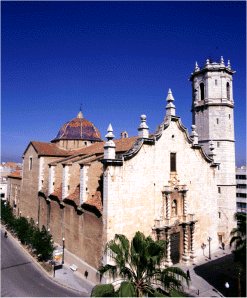
Benicarló is a coastal town located in the province of Castellón, within the autonomous community of Valencia, Spain. Situated along the Mediterranean Sea, it is approximately 120 kilometers north of Valencia city. Renowned for its beautiful beaches, vibrant cultural scene, and rich agricultural heritage, Benicarló has become a popular destination for both domestic and international tourists. The town's population, which hovers around 26,000 residents, enjoys a mild Mediterranean climate characterized by hot summers and relatively mild winters, making it an attractive year-round locale.
Historically, Benicarló has roots that trace back to ancient times, with archaeological findings indicating human settlement since the Iberian period. The town was officially established in the Middle Ages and quickly became an important agricultural center, particularly known for the production of high-quality vegetables, such as its prized artichokes, which are celebrated in local gastronomy. Today, the town boasts a mix of modern amenities and historical landmarks, including the Church of Santa María, a 16th-century structure showcasing Gothic architectural elements. The annual festivals, particularly the Fiestas de la Virgen de la Soledad in September and the Fira i Festes de Benicarló in October, attract visitors with processions, music, traditional cuisine, and local crafts.
Benicarló also offers a wealth of recreational opportunities, from water sports to hiking in the nearby natural parks, such as the Parque Natural de la Serra d'Irta. The town's long coastline is dotted with picturesque beaches, including the popular Playa de Benicarló, which features chiringuitos (beach bars) serving seafood and tapas. The local economy thrives on agriculture, tourism, and fishing, blending traditional practices with modern approaches to sustain its growth. With its charming blend of history, culture, and natural beauty, Benicarló represents a captivating destination in the Valencian region, appealing to those seeking leisure, culinary exploration, and cultural enrichment.
Facts about Benicarló
- Benicarló is famous for its production of high-quality artichokes, celebrated in the annual Artichoke Festival, which highlights the city's agricultural heritage.
- The town is home to the historic 'Iglesia del Salvador,' a 14th-century church that showcases Gothic architectural elements unique to the region.
- Benicarló features the 'Torre del Mar,' a coastal lookout tower built in the 16th century to protect the area from pirate attacks, distinguishing it from many inland towns.
- The city's harbor is known for its fishing industry, with many local restaurants serving fresh seafood caught daily, which is a hallmark of Benicarló's culinary scene.
- Benicarló has a beautiful coastline and several blue flag beaches, making it a favored destination for beachgoers looking for a less commercialized experience compared to tourist-heavy areas.
- The local celebration of 'Les Festes de la Mar' honors the sea with both religious and cultural events, showcasing traditions that reflect the town's close relationship with maritime life.
- Benicarló was once home to the notable artist and sculptor, José Manuel Ballester, adding to its cultural significance as a breeding ground for artistic talent.
- The city is known for its rich history in agriculture, with fertile lands that support various crops, particularly citrus and olives, differentiating it from other areas with different primary industries.
- Benicarló is strategically located near the famous natural park, 'Parc Natural de la Serra d'Irta,' providing outdoor enthusiasts unique opportunities for hiking and nature exploration.
- The town's bustling market, held weekly, offers a diverse range of local products, crafts, and traditional foods, reflecting the vibrant community spirit and local culture.