Benin City, Nigeria
- 1,782,000 people
- 12 places to visit
- 6.335, 5.6037
Places to Visit (12)
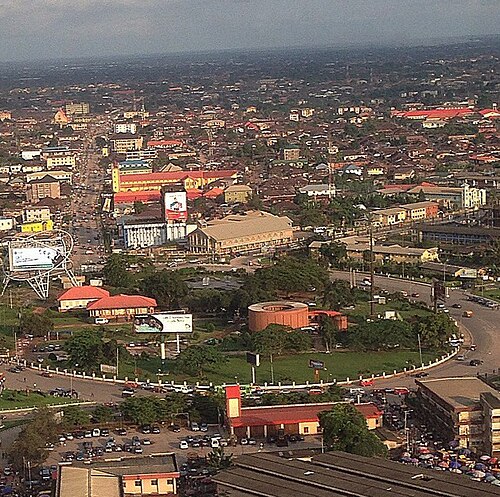
Benin City, located in southern Nigeria, is the capital of Edo State and serves as an important cultural and historical hub in the region. The city is renowned for its rich heritage, particularly its connection to the Benin Kingdom, which was one of the oldest and most highly developed states in West Africa before British colonization. Founded in the 11th century, Benin City flourished as a major trading center, benefiting from its strategic location along trade routes. The kingdom is famous for its art, especially its bronze sculptures, which are celebrated worldwide for their intricate craftsmanship and historical significance. The Royal Palace of Benin, a UNESCO World Heritage Site, stands as a testament to the city's royal lineage and is an integral part of its cultural identity.
Today, Benin City is a large urban center with a population exceeding 1 million residents. The city has evolved into an economic hub, contributing to the agricultural, manufacturing, and trade sectors of Nigeria. Major industries include oil, textiles, and food processing, creating a diverse economic landscape. Benin City is also home to several educational institutions, including the University of Benin, which attracts students from all over Nigeria and beyond. The city celebrates various festivals and events, including the famous Benin Festival, which showcases traditional music, dance, and ceremonial rituals. Despite challenges such as infrastructure development and urbanization issues, Benin City remains a vibrant city that honors its historical legacies while looking towards the future.
Facts about Benin City
- Benin City is the capital of Edo State and is notable for its rich history as the center of the Benin Kingdom, one of the oldest and most advanced civilizations in West Africa.
- The city is famous for its traditional craftsmanship, particularly in bronze casting, which has been practiced for centuries and is recognized globally for its intricate designs and historical significance.
- Benin City is home to the Benin Moat, a series of earthworks that surround the city; these are among the largest man-made earthworks in the world and are a UNESCO World Heritage site.
- The city was historically governed by a monarchy, with the Oba of Benin serving as a central figure in both political and cultural life; the current Oba, Ewaure II, continues to play a significant role in the community.
- Benin City hosts the annual Igue festival, celebrated in December, which is a significant event that marks the Benin New Year and involves traditional rites, cultural displays, and pageantry.
- The city is known for the Benin Bronzes, a collection of plaques and sculptures that adorned the Royal Palace and depict the history and culture of the Benin Kingdom.
- Benin City has a vibrant market scene, with the Oba Market being one of the largest and most popular in the region, showcasing local handicrafts, food, and textiles.
- It served as the capital of an important kingdom that was involved in transatlantic trade, influencing commerce and cultural exchanges with Europe and the Americas.
- Benin City is strategically located as an educational hub, hosting several institutions, including the University of Benin, which is one of Nigeria's leading universities.
- The city's architecture reflects both its royal heritage and its colonial history, with many structures showcasing traditional design as well as European influences from British colonial rule.