Berbérati, Central African Republic
- 103,713 people
- 1 places to visit
- 4.2571, 15.7879
Places to Visit (1)
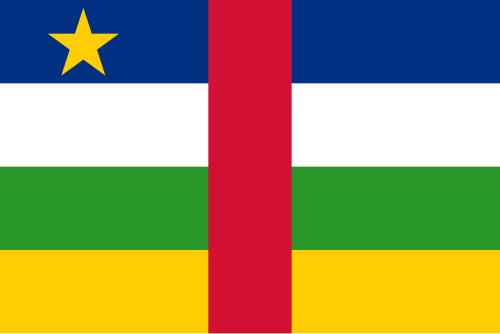
Berbérati is a city located in the southwestern region of the Central African Republic (CAR), serving as the capital of the Mambéré-Kadéï prefecture. With a population of approximately 50,000 residents, Berbérati is one of the largest cities in the country, situated along the banks of the Mambéré River. The city is strategically positioned about 600 kilometers from the capital, Bangui, and serves as a crucial hub for trade and transportation in the region. The local economy is primarily based on agriculture, with communities engaged in the cultivation of various crops such as cassava, millet, and maize, along with the farming of livestock. Additionally, Berbérati is known for its production of timber and, to some extent, gold, which contributes to the region's economic activities.
The city has a rich cultural tapestry, influenced by various ethnic groups, including the Gbaya, Mandjia, and Mbum peoples. Berbérati features a mix of traditional and modern influences, evident in its architecture, markets, and community practices. The region also possesses a diverse natural environment, characterized by lush forests and wildlife, offering opportunities for eco-tourism and sustainable development. However, like many parts of the Central African Republic, Berbérati faces challenges including political instability, occasional violence, and the struggle to provide essential services and infrastructure to its residents. Despite these difficulties, the resilience of Berbérati's population and its vibrant community life continue to define the city as a significant cultural and economic center in the Central African Republic.
Facts about Berbérati
- Berbérati is known for being the second-largest city in the Central African Republic and serves as the capital of the Mambere-Kadei Prefecture.
- The city is situated in a region rich in natural resources, including gold and diamonds, which has influenced its economic growth.
- Berbérati has a significant history of being a trade center, particularly during the colonial period, when it was a hub for the export of goods like timber and rubber.
- One of Berbérati's notable landmarks is the 'Cathédrale de Berbérati,' an architectural symbol of the city's Catholic heritage.
- The city is home to various ethnic communities, making it a melting pot of cultures and languages, which distinguishes it from more homogenous regions in the country.
- Berbérati has a unique climate compared to other towns, being located in a more forested area, which results in a distinct biodiversity.
- The Berbérati River, which runs through the city, plays a crucial role in local agriculture and fishing, contributing to the livelihoods of its residents.
- Berbérati is renowned for its vibrant markets, where local artisans and traders sell handmade crafts, textiles, and fresh produce, reflecting the local culture.
- The city has a history of civil unrest but has recently seen efforts toward peace and reconciliation, showcasing resilience that sets it apart from more troubled areas in the country.
- Berbérati hosts various local festivals throughout the year, celebrating traditional music, dance, and cuisine, attracting visitors from surrounding areas.