Bergedorf, Germany
- 119,665 people
- 9 places to visit
- 53.486, 10.2163
Places to Visit (9)
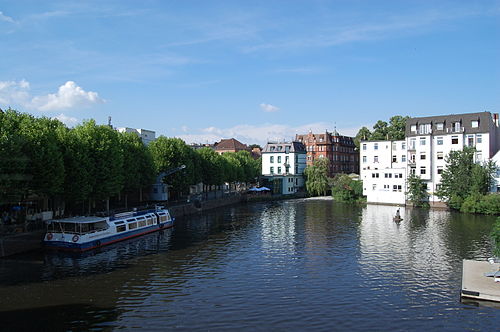
Bergedorf is a district located in the southeastern part of Hamburg, Germany, known for its picturesque landscape and rich historical significance. Originally an independent town, Bergedorf was incorporated into the Free and Hanseatic City of Hamburg in 1910. The district is characterized by a blend of urban and rural features, with the scenic banks of the River Bille and the surrounding green spaces, including the Bergedorfer Gehölz and the nature reserve of the Dove Elbe, offering residents and visitors a tranquil environment just outside the bustling city center of Hamburg.
Historically, Bergedorf dates back to the 11th century and played a notable role as a settlement and market town. The centerpiece of its historical architecture is Bergedorf Castle, built in the 14th century, which serves as a museum today. This castle reflects the town's medieval past and is a key attraction for tourists. The district developed significantly in the 19th century when it became an important transportation hub, benefiting from the proximity to Hamburg and the establishment of rail connections. Today, Bergedorf has transformed into a vibrant community with a mix of residential, commercial, and recreational spaces, attracting families and individuals seeking a balance between urban life and nature.
In addition to its historical and natural attractions, Bergedorf boasts a thriving local economy, with a diverse range of shops, cafes, and services. The well-established public transport network connects Bergedorf to Hamburg City, making it a desirable location for commuters. Educational facilities are well-represented, including primary and secondary schools, providing quality education for children in the area. The annual events, such as local markets and festivals, further enrich the community's social fabric, fostering a strong sense of belonging among residents. Overall, Bergedorf is a charming district that encapsulates the essence of suburban life while remaining intricately linked to the vibrant city of Hamburg.
Facts about Bergedorf
- Bergedorf is one of the oldest suburbs of Hamburg, with a rich history dating back to its founding around 1189.
- The city is home to the Bergedorfer Schloss, a 16th-century castle that serves as a historical museum, setting it apart with its unique architecture and gardens.
- Bergedorf has a unique blend of urban and rural environments, offering residents access to both leafy green spaces and urban amenities.
- The city celebrates its annual 'Bergedorfer Stadtfest', a local festival featuring music, food, and cultural activities, showcasing the community's spirit.
- Bergedorf boasts the picturesque Bergedorf Cemetery, which is notable for its elaborate graves and beautifully landscaped grounds.
- The area is known for its historical waterway, the Dove Elbe, providing scenic views and recreational opportunities such as rowing and cycling.
- Bergedorf hosts a local market known for its organic produce and artisanal products, reflecting a commitment to sustainability.
- The city has a vibrant arts scene, with local galleries and theaters, distinguishing it from neighboring districts that may not emphasize the arts as strongly.
- Bergedorf is strategically located near the border of Hamburg and has a unique identity that blends suburban living with easy access to the metropolitan area.
- The town features a mix of architectural styles, from traditional half-timbered houses to modern residences, highlighting its evolution over centuries.