Bergerac, France
- 28,317 people
- 10 places to visit
- 44.8529, 0.4819
Places to Visit (10)
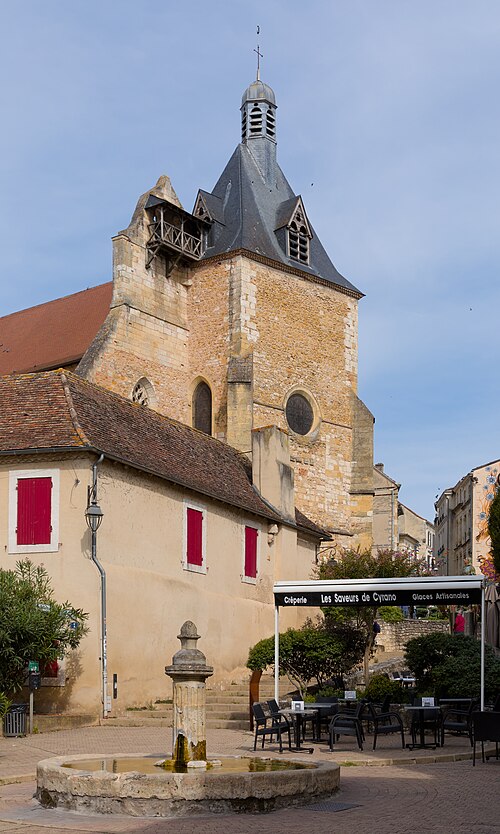
Bergerac is a charming town located in the Dordogne department in southwestern France. Situated on the banks of the Dordogne River, this historical town is known for its picturesque landscapes, rich history, and vibrant cultural heritage. The area has a population of approximately 27,000 residents, reflecting a blend of traditional French influence and modern developments. The town's architecture offers a glimpse into its past, with well-preserved medieval buildings, narrow cobblestone streets, and ancient churches, particularly the St. Jacques Church, which showcases a mix of Romanesque and Gothic styles. Bergerac is famously associated with the 17th-century play "Cyrano de Bergerac," written by Edmond Rostand, which has contributed to its cultural significance and appeal as a tourist destination.
Beyond its historical allure, Bergerac is renowned for its wine production, particularly the Bordeaux and Monbazillac wines that are cultivated in the surrounding vineyards. This region benefits from a favorable climate and fertile soil, making it one of France's prominent wine-producing areas. Visitors to Bergerac can explore wine estates and participate in tastings that highlight the local viticulture. The town’s weekly markets, held every Saturday, offer an array of local goods, fresh produce, and artisanal crafts, reflecting the vibrant community spirit. Bergerac also boasts a variety of recreational activities, including river cruises on the Dordogne and access to numerous hiking and cycling trails in the surrounding countryside, providing opportunities to enjoy the region’s natural beauty.
In addition to its wine and history, Bergerac serves as an important cultural hub. The town frequently hosts festivals and events that celebrate its heritage, including exhibitions, concerts, and theatrical performances. The Bergerac Museum and the Tobacco Museum showcase the region's cultural and economic history, particularly its significant role in the tobacco trade during the 19th and early 20th centuries. Overall, Bergerac presents a delightful combination of history, gastronomy, and natural beauty, making it a captivating destination for visitors seeking to experience the essence of southwestern France.
Facts about Bergerac
- Bergerac is known for its rich history of tobacco trade, which significantly influenced its local economy and culture during the 17th and 18th centuries.
- The city is named after the famous 17th-century playwright and poet Cyrano de Bergerac, although he was not actually from this town; the name has helped popularize Bergerac in popular culture.
- Bergerac is situated on the banks of the Dordogne River, offering scenic views and opportunities for various water sports and recreational activities.
- The city features a unique medieval old town with timber-framed houses, reminiscent of the architecture found in several other French towns but distinct in its charm and preservation.
- Bergerac is renowned for its wine production, particularly for the Bergerac wine appellation, which is known for producing high-quality red, white, and rosé wines.
- The city hosts the annual 'Festival du Vin et de la Gastronomie,' celebrating local wines and gastronomy, distinctly highlighting its terroir and culinary heritage.
- Bergerac has a history of being a hub for historical figures, serving as a refuge for notable writers and thinkers during the Enlightenment period due to its rich culture and historical significance.
- The airport in Bergerac is one of the few in the region serving international flights, offering access to various European destinations and making it a key travel point in southwestern France.
- The Statue of Cyrano de Bergerac is a notable landmark in the town, attracting visitors and serving as a symbol of the city’s connection to literature and culture.
- The surrounding region of Bergerac is characterized by the picturesque Périgord countryside, which is not only popular for its wines but also for its truffles, offering a distinctive gastronomic experience.