Bergisch Gladbach, Germany
- 106,184 people
- 17 places to visit
- 50.9896, 7.123
Places to Visit (17)
Bergisch Gladbach is a city situated in North Rhine-Westphalia, Germany, approximately 10 kilometers east of Cologne. With a population of around 110,000, it serves as the administrative and cultural center of the Bergisch district. The city's history dates back to the Middle Ages when it was first mentioned in the 10th century. It developed significantly during the 19th century, transitioning from a collection of small villages to an urban center due to industrialization. The area is characterized by its hilly landscape, scenic parks, and forests, making it a popular destination for outdoor activities.
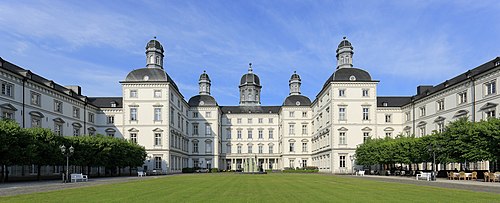
Bergisch Gladbach is known for its rich cultural life and hosts a variety of events throughout the year. The city is home to several theaters, including the Theater im Bauturm, and museums such as the Museum für Stadtgeschichte, which showcases local history and art. One of the city's most notable landmarks is the Schloss Bensberg, a grand baroque palace that now operates as a luxury hotel and fine dining venue. Additionally, Bergisch Gladbach boasts a strong local economy, predominantly driven by sectors like manufacturing, retail, and services, supported by its proximity to Cologne and the broader Rhine-Ruhr metropolitan area.
Transportation in Bergisch Gladbach is well developed, with extensive rail and bus services connecting the city to Cologne and other neighboring towns. The Stadtbahn (light rail) system and regular bus services ensure that residents and visitors can navigate the area easily. The city also places a strong emphasis on sustainability, with numerous initiatives aimed at promoting green spaces, cycling, and public transportation. While Bergisch Gladbach may not be as internationally known as nearby Cologne, it offers a blend of historical charm, cultural vibrancy, and a high quality of life, making it an appealing place to live and visit.
Facts about Bergisch Gladbach
- Bergisch Gladbach is known for its historical paper mill industry, particularly the famous Paper Mill Museum, which showcases the city's long-standing role in paper production.
- The city is home to the 'Villa Zanders', a museum housed in a former paper manufacturer’s villa, which exhibits a range of modern and contemporary art, unique to the region.
- Bergisch Gladbach is located at the transition between the Bergisches Land and the Cologne Bay, offering a mix of urban and natural landscapes that set it apart from many other German cities.
- The city's annual 'Bergisch Gladbach Christmas Market' is renowned for its enchanting atmosphere and traditional local crafts, making it a unique holiday destination.
- Bergisch Gladbach plays host to the 'Bergisch Gladbach Choir Festival,' an event that attracts choirs from across Germany and showcases the city’s vibrant musical culture.
- The historical 'Schloss Bensberg,' a former ducal palace located in Bergisch Gladbach, is now a luxury hotel and a landmark that highlights the city's regal past.
- Bergisch Gladbach was one of the first cities in Germany to establish a dedicated recycling factory, aligning with its progressive environmental initiatives.
- The city has a rich cycling infrastructure and is part of the 'Rheinisch-Bergische' cycling network, promoting eco-friendly transport unlike many other urban centers in Germany.
- Bergisch Gladbach's proximity to Cologne allows it to benefit from the economic activities of the larger city while maintaining its unique local identity.
- The city is part of the Bergisches Land region, known for its picturesque rolling hills and lush forests, distinguishing it from Germany's more industrialized urban areas.