Berlin, Germany
- 3,426,354 people
- 17 places to visit
- 52.52, 13.405
Places to Visit (17)
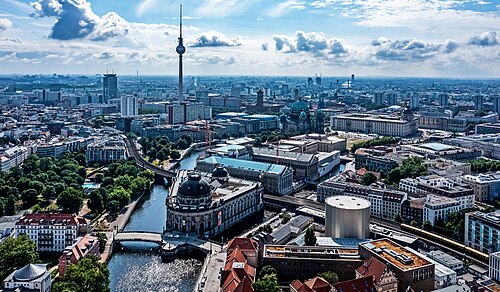
Berlin, the capital city of Germany, is one of the most influential cultural and political centers in Europe. With a population of approximately 3.7 million, it is the most populous city in Germany and the second most populous city in the European Union after London. Berlin's rich history dates back to the 13th century, when it was first documented. The city played a significant role in various historical periods, including the Holy Roman Empire, the Prussian Empire, and during the tumultuous times of the 20th century, particularly during World War II and the subsequent division of East and West Berlin during the Cold War.
The reunification of Berlin in 1990 marked a significant turning point in the city's development, leading to extensive urban renewal and regeneration projects that transformed the landscape. Berlin is known for its diverse architecture, ranging from the historic Brandenburg Gate and Berlin Cathedral to modern structures like the Sony Center and the Berlin Hauptbahnhof, one of the largest train stations in Europe. The city is also famous for its vibrant arts scene, with numerous galleries, theaters, and music venues, solidifying its reputation as a global cultural hub. Iconic events such as the Berlinale Film Festival and the Berlin Art Week attract international attention and underline the city’s commitment to the arts.
Berlin's blend of history, culture, and modernity makes it a unique destination for tourists and expatriates alike. The city is characterized by a diverse population, which contributes to its cosmopolitan atmosphere and rich culinary scene, featuring cuisines from around the world. Public transportation is well-developed, enabling residents and visitors to navigate the extensive urban area with ease. Berlin is also known for its extensive green spaces, such as the Tiergarten and Tempelhofer Feld, which offer recreational activities amidst the urban environment. Overall, Berlin represents a city that honors its historical past while continuously evolving into a vibrant, contemporary metropolis.
Facts about Berlin
- Berlin is the capital and largest city of Germany, known for its vibrant cultural scene and historical significance.
- The Berlin Wall, which divided East and West Berlin from 1961 to 1989, is a central symbol of the Cold War and has since become a site for memorialization and public art.
- Berlin is home to over 170 museums, including the famous Museum Island, a UNESCO World Heritage site, which houses five internationally significant museums.
- The city hosts the world's largest international film festival, the Berlinale, attracting filmmakers and stars from around the globe every February.
- Berlin's public transportation system is one of the most efficient and extensive in the world, with a vast network of trains, trams, and buses that operate 24/7.
- The Brandenburg Gate is an iconic 18th-century neoclassical monument that has become a symbol of unity and peace, particularly after the reunification of Germany.
- Berlin has one of the largest urban parks in the world, Tiergarten, which spans over 520 acres and is a popular spot for relaxation and recreation.
- The city was the birthplace of the German Expressionist movement and is still a hub for contemporary art and avant-garde culture.
- Berlin's diverse population includes large communities of immigrants, particularly from Turkey, making it one of the most multicultural cities in Europe.
- The city's unique nightlife is legendary, with a mix of techno clubs, bars, and alternative venues that cater to various tastes and preferences.