Bernburg, Germany
- 32,113 people
- 10 places to visit
- 51.7916, 11.7401
Places to Visit (10)
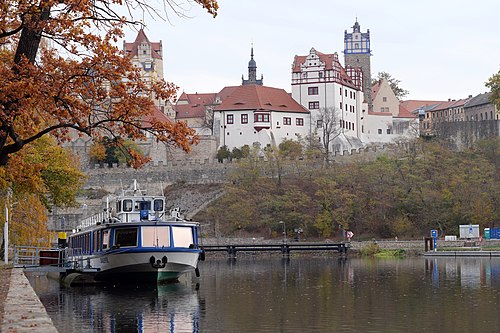
Bernburg is a charming town located in the Saxony-Anhalt region of Germany, situated on the banks of the Saale River. With a population of approximately 34,000 residents, it holds a rich historical significance and features a blend of medieval architecture and modern amenities. The town's history dates back to the early Middle Ages, and it became an important center for commerce and trade due to its strategic location. Bernburg was first mentioned in historical records in 1209 and gained prominence when it became the capital of the Principality of Anhalt-Bernburg in the 17th century. The principality played a crucial role in the early development of the town, leaving behind an array of historical landmarks.
One of the most notable attractions in Bernburg is the impressive Bernburg Castle, which towers over the town and dates back to the 11th century. Originally built as a fortress, the castle underwent significant renovations over the centuries, transforming into a Renaissance-style palace that showcases stunning architecture and beautiful views of the surrounding landscapes. The castle now houses a museum that offers insights into the region's history, culture, and art. Another significant site is the St. Aegidius Church, a Gothic masterpiece that features intricate stained glass windows and is an important religious center in the community. Bernburg also boasts several parks, recreational areas, and cultural institutions, including theaters and galleries, making it a vibrant place for residents and visitors alike. The town's strong commitment to preserving its historical heritage and fostering community life makes Bernburg a unique and appealing destination in Germany.
Facts about Bernburg
- Bernburg is known for its historic castle, Schloss Bernburg, which dates back to the 11th century and is one of the most significant medieval buildings in Saxony-Anhalt.
- The city is home to the oldest beer brewery in the region, which was established in 1412, making it a notable site for beer enthusiasts.
- Bernburg is situated on the Saale River and has been an important trade route since the Middle Ages, contributing to its development and prosperity.
- The city was part of the Duchy of Anhalt and has a rich history tied to the Anhalt dynasty, which has influenced its architecture and cultural heritage.
- Bernburg hosts the annual Saale Festival, celebrating local culture, music, and craft, which attracts visitors from all over Germany.
- The St. Aegidius Church in Bernburg features remarkable Gothic architecture and is noted for its impressive stained glass windows, distinguishing it from other towns' churches.
- Bernburg was one of the first cities in Germany to implement a public transportation system in the late 19th century, showcasing its progressive infrastructure.
- The city played a role in WWII as a site for forced labor camps, and today, it remembers this history through various memorials and educational programs.
- Bernburg has a unique underground system of caves and tunnels, known as the 'Bernburg Caves,' offering a glimpse into the region's geological history and limestone features.
- The city is distinguished by its large number of preserved historical buildings, many of which are designated as cultural heritage sites, giving it a unique architectural charm.