Besançon, France
- 128,426 people
- 17 places to visit
- 47.2378, 6.0241
Places to Visit (17)
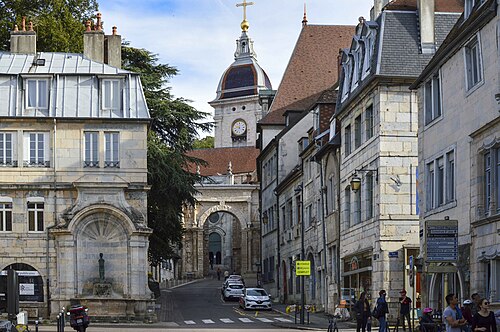
Besançon is a picturesque city located in the east of France, serving as the capital of the Doubs department and the historic capital of the Franche-Comté region. Nestled in a loop of the Doubs River and surrounded by rolling hills, the city boasts a unique geographical position that offers stunning views and a rich tapestry of history. With a population of approximately 116,000, Besançon is known for its well-preserved architecture, vibrant cultural scene, and significant historical landmarks. The city's history dates back to antiquity, as it was originally a Roman settlement named Vesontio. It became an important military and administrative center in the region due to its strategic location.
Besançon is perhaps best known for its impressive Citadel, a UNESCO World Heritage site designed by the famous military architect Vauban in the 17th century. This fortress, which dominates the skyline, offers visitors not only a glimpse into the city’s military past but also stunning panoramic views of the surrounding countryside. The city’s museums, including the Museum of Time, which showcases the region's watchmaking heritage, and the Fine Arts Museum, highlight its cultural richness. The charming old town, with its narrow streets, arcaded buildings, and historic squares, is a delightful area for strolls and exploration. Besançon also hosts numerous cultural events throughout the year, including festivals celebrating music, cinema, and local gastronomy, making it a vibrant hub for both residents and tourists alike. The mix of historical significance and contemporary culture makes Besançon a unique destination in France.
Facts about Besançon
- Besançon is known for its well-preserved 17th-century citadel, designed by the military architect Vauban, which is a UNESCO World Heritage Site.
- The city is the birthplace of the famed philosopher and writer Montesquieu, contributing to its rich intellectual history.
- Besançon is situated in a loop of the Doubs River, giving the city a unique geographical layout and picturesque views.
- It has a significant historical role as a fortified city, serving as a defensive stronghold against various invasions throughout history.
- The city is recognized for its watchmaking industry, being home to the Museum of Time, which showcases the region's long-standing tradition in horology.
- Besançon is surrounded by vineyards in the Jura mountains, making it a gateway to wine tourism in the region.
- The city hosts the annual Besançon International Comic Strip Festival, one of the largest comic strip festivals in France.
- Besançon has a vibrant student population, home to the University of Franche-Comté, making it a center for education and research in the area.
- The city is known for its unique blend of architectural styles, from Roman ruins to medieval buildings and modern constructions.
- Besançon is located at the crossroads of several transport routes, making it historically significant for trade and travel in eastern France.