Béthune, France
- 31,568 people
- 13 places to visit
- 50.531, 2.6393
Places to Visit (13)
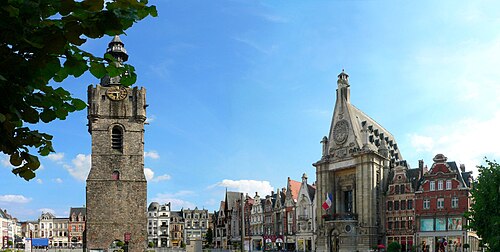
Béthune is a picturesque commune located in the Pas-de-Calais department in the Hauts-de-France region of northern France. With a population of approximately 25,000 residents, it serves as an important urban center within the Artois district. Historically significant, Béthune's origins can be traced back to the medieval period, and it was known for its strategic position, which facilitated trade and military endeavors. The city played a notable role during the industrial revolution, primarily due to its proximity to coal mines, fostering economic growth that defined the region in the 19th and early 20th centuries.
Béthune is characterized by its rich architectural heritage, with a mix of Gothic, Renaissance, and modern styles. The town square, known as the Place de la République, is a focal point for both locals and visitors, showcasing beautifully restored buildings, cafes, and shops. One of the city’s most iconic landmarks is the Belfry of Béthune, a UNESCO World Heritage site that stands as a symbol of medieval civic power and resilience. Other noteworthy sites include the Church of Saint-Vaast, which reflects Romanesque architectural styles, as well as the nearby war memorials that honor the sacrifices made during both World Wars.
In contemporary times, Béthune offers a blend of cultural activities, historical tourism, and community life. The city hosts various events throughout the year, celebrating local arts, traditions, and gastronomy, which contribute to its vibrant atmosphere. Recreational spaces like parks and gardens provide residents and visitors with opportunities for leisure and relaxation, while proximity to larger cities such as Lille enriches Béthune’s accessibility. With its captivating blend of history, architecture, and community spirit, Béthune remains an engaging destination for anyone interested in exploring the heart of northern France.
Facts about Béthune
- Béthune is known for its distinctive Belfry, which is a UNESCO World Heritage Site and is part of the collection of various belfries in France.
- The town played a significant role during World War I, as it was an important logistics hub and was heavily involved in the war efforts for the Allies.
- Béthune hosts the annual 'Festival of Street Arts', celebrating contemporary street performance and arts, making it a vibrant cultural center.
- The city's history dates back to the 10th century, reflected in its well-preserved medieval architecture, particularly in its town square.
- The Béthune Mining Museum is dedicated to the region's coal mining history, showcasing the impact of mining on local culture and economy.
- Béthune's population is notable for its strong community spirit, exemplified by various local initiatives aimed at revitalizing the town.
- The town features a striking church called Church of Saint-Vaast, which combines elements from various architectural styles, including Gothic and Renaissance.
- Béthune has been recognized for its efforts in urban greenery, earning awards for its parks and gardens, which contribute to its quality of life.
- The city's rich tapestry of festivals includes the 'Fête de la Saint-Éloi', celebrating the patron saint of miners, which showcases its mining heritage.
- Béthune is strategically located just 30 km from Lille and has excellent transport links, making it a convenient base for exploring Northern France.