Bhopāl, India
- 1,599,914 people
- 19 places to visit
- 23.2599, 77.4126
Places to Visit (19)
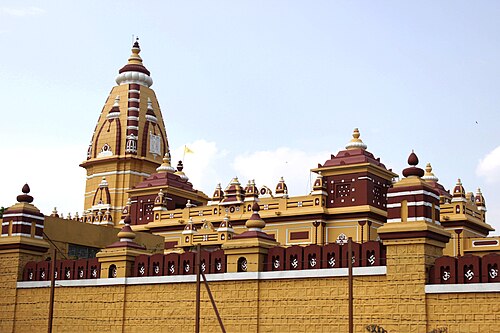
Bhopāl, the capital city of Madhya Pradesh, India, is known for its rich history, vibrant culture, and scenic landscapes. Established in the 11th century by the Paramara dynasty, Bhopāl has evolved from a small town to one of India's prominent urban centers. The city is often referred to as the "City of Lakes" due to its numerous artificial and natural lakes, including the Upper and Lower Lakes, which serve as popular recreational spots for both residents and tourists. Bhopāl is renowned for its unique blend of Hindu and Islamic architecture, a reflection of its historical significance as a center of the Islamic faith in central India, particularly during the rule of the Bhopal state in the 18th and 19th centuries.
Bhopāl has several historical sites that attract visitors, including the imposing Taj-ul-Masajid, one of the largest mosques in India, and the Gohar Mahal, an example of Indo-Saracenic architecture. The city played a pivotal role in the industrial development of Madhya Pradesh and has transformed into an educational, cultural, and administrative hub. It houses numerous institutions, including the Indian Institute of Science Education and Research (IISER) and the Rajiv Gandhi Technical University. The city is also notable for the tragic Bhopal gas disaster of 1984, one of the world's worst industrial accidents, which had a profound impact on public policy and industrial safety regulations in India. Today, Bhopāl stands as a testimony to resilience and adaptation, as it continues to grow and modernize while preserving its heritage. With a bustling economy, cultural festivals, and a diverse population, Bhopāl remains a significant player in India's socio-economic landscape.
Facts about Bhopāl
- Bhopal is known as the 'City of Lakes' due to its numerous artificial and natural lakes, most notably the Upper and Lower Lakes.
- The city has a rich heritage as it was the capital of the erstwhile Bhopal State, ruled by a series of Begums, which is unique compared to other cities in India.
- Bhopal is home to the distinct Indo-Sarcenic architecture, which combines Indian and Islamic architectural styles, seen in landmarks like the Taj-ul-Masajid, one of the largest mosques in India.
- In 1984, Bhopal was the site of one of the world's worst industrial disasters, the Bhopal Gas Tragedy, which raised global awareness about chemical safety and disaster management.
- The city hosts the annual Bhopal International Film Festival, making it a notable hub for filmmakers and cinema enthusiasts.
- Bhopal has a vibrant cultural scene with institutions like the Bharat Bhavan, which promotes various art forms including music, dance, and literature.
- The city served as the host for the 2020 Indian Express group's 'India today Conclave', showcasing its importance as a center for political and cultural dialogue.
- Bhopal is the capital of Madhya Pradesh, strategically located in central India, which makes it a crucial point for trade and commerce in the region.
- The city is recognized for its educational institutions, including the Indian Institute of Science Education and Research (IISER), contributing to a growing research community.
- Bhopal's cuisine is distinctive, with unique dishes like Biryani and Kebabs that reflect its rich history and cultural amalgamation, showcasing flavors that are not found in other parts of India.