Bhusāval, India
- 183,001 people
- 3 places to visit
- 21.0418, 75.7876
Places to Visit (3)
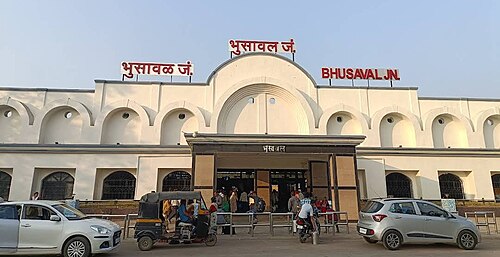
Bhusāval is a prominent city located in the Jalna district of Maharashtra, India. Situated approximately 250 kilometers northeast of Mumbai, it serves as an important rail and agricultural hub in the region. The city has a rich history, having been established during the British colonial period, and has developed over the years into a significant center for trade and commerce. The name "Bhusāval" is derived from the Marathi words "bhusa," meaning chaff, and "awal," meaning place, reflecting its agricultural roots. The city is known for its diverse culture, with a mixture of different communities, primarily Marathi-speaking people, who celebrate various festivals and traditions with great enthusiasm.
Bhusāval boasts a well-connected railway station, which is one of the key junctions on the Central Railway network in India. This connectivity facilitates easy access to major cities like Mumbai, Pune, and Nagpur. The city's economy is primarily driven by agriculture, with crops such as soybeans, cotton, and pulses being cultivated in the surrounding areas. Additionally, Bhusāval has several industries, including textiles and food processing, which contribute to its economic landscape. The city is also famous for its hot and dry climate, making it suitable for certain agricultural practices. With a population that includes various religious communities, Bhusāval is a microcosm of India's cultural diversity, where different languages, foods, and customs coexist, enriching the social fabric of the city. As it continues to grow, Bhusāval maintains its status as an important nexus in Maharashtra's economic and cultural milieu.
Facts about Bhusāval
- Bhusāval is home to one of the largest railway yard facilities in India, making it a crucial hub for railway logistics.
- The city hosts the Bhusāval Municipal Council, which was established in 1881, making it one of the oldest municipal bodies in Maharashtra.
- Bhusāval is known for its unique blend of Hindu and Islamic architecture, particularly evident in its historical sites and temples.
- The city is famous for its mango production, especially the 'Hapus' or Alphonso mango, contributing significantly to the local economy.
- Bhusāval is situated at the confluence of the Tapti and Purna rivers, giving it a historically strategic location.
- The city's population is diverse, with significant communities of Marathi, Urdu, and Gujarati speakers reflecting its multicultural heritage.
- Bhusāval has a rich cultural scene, with annual festivals celebrating both traditional Hindu events and local Islamic festivities.
- The city is often referred to as the gateway to the Ajanta and Ellora caves, UNESCO World Heritage Sites located nearby.
- Bhusāval has a thriving industrial sector, particularly in manufacturing and engineering, contributing to the region's economic development.
- The city is renowned for the Bhusāval Agricultural Produce Market, one of the largest in Maharashtra, facilitating trade for local farmers.