Biała Podlaska, Poland
- 57,541 people
- 12 places to visit
- 52.0338, 23.1202
Places to Visit (12)
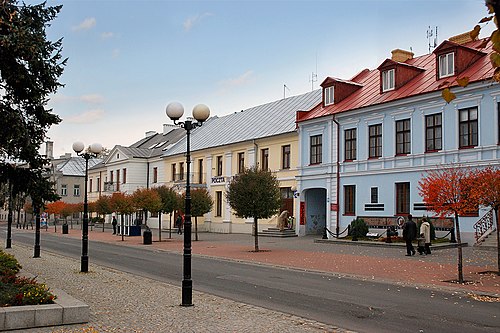
Biała Podlaska is a city situated in eastern Poland, within the Lublin Voivodeship. Known for its rich history and cultural heritage, Biała Podlaska is the capital of the Biała Podlaska County. The city, which has a population of approximately 57,000 residents, lies near the borders of Belarus and Ukraine, making it a pivotal location for cross-border trade and cultural exchange. Historically, Biała Podlaska emerged as a significant trade center and developed in the Middle Ages, featuring a series of wooden fortifications and administrative buildings. The town received its municipal rights in 1733 and has since evolved into a hub for education and culture in the region.
Biała Podlaska boasts a range of architectural and natural attractions. Notable landmarks include the 18th-century Roman Catholic church dedicated to St. Anna, as well as the historical palace of the Radziwiłł family, which now houses a museum. The city is also known for its spacious parks and proximity to the picturesque Biała River, which adds to its appeal as a recreational area. Prominent educational institutions, such as the former Biała Podlaska University and various vocational schools, contribute to its vibrant community life. The city celebrates several annual events and festivals, enhancing its cultural landscape. The combination of historical elements, educational facilities, and natural beauty makes Biała Podlaska a unique city that reflects both its storied past and its dynamic present in Poland.
Facts about Biała Podlaska
- Biała Podlaska is known for its unique multicultural heritage, having been influenced by Polish, Ukrainian, and Jewish communities throughout its history.
- The city is home to the 19th-century Cathedral of St. Mary, which is notable for its impressive neo-Gothic architecture and vibrant stained-glass windows.
- Biała Podlaska hosts the annual 'Bialska Jesień' festival, celebrating local culture with music, dance, and art exhibitions, making it a vibrant hub for cultural exchange.
- It boasts the oldest functioning wooden church in the Podlaskie region, which dates back to the 18th century and provides a glimpse into the region's architectural history.
- The city is surrounded by beautiful natural landscapes, including the picturesque Srebro River and several nearby parks and nature reserves, ideal for outdoor activities.
- Biała Podlaska has a significant educational presence with the University of Natural Sciences and Humanities, which contributes to the city’s reputation as an academic center in the region.
- During World War II, Biała Podlaska was a significant site for the underground resistance, contributing to Poland's efforts against occupation.
- The city is known for its horse breeding tradition and plays host to equestrian events, which highlights its connection to Poland’s agricultural heritage.
- Biała Podlaska has a thriving local economy that includes manufacturing, agriculture, and services, distinguishing it as a key economic player in the Lublin Voivodeship.
- The city is a crucial transportation hub, strategically located near major road and rail networks that connect it to both national and international routes.