Bibai, Japan
- 29,028 people
- 13 places to visit
- 43.3328, 141.8539
Places to Visit (13)
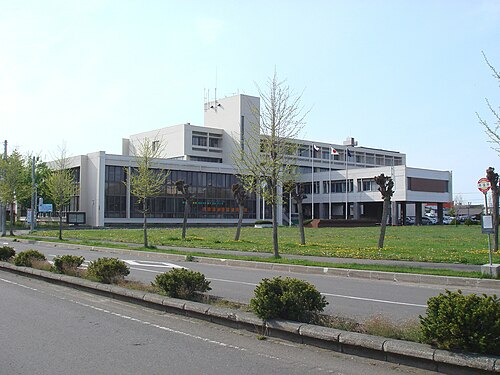
Bibai is a city located in the northern part of Japan, within Hokkaido Prefecture. Established in 1948, it is situated in the Sorachi Subprefecture, approximately 60 kilometers southeast of Sapporo, the capital of Hokkaido. Known for its rich natural environment, Bibai is framed by mountains and offers a rural setting that attracts both residents and visitors seeking tranquility away from urban life. As of the latest census data, Bibai has a population of around 25,000 people, reflecting a trend seen in many small towns in Japan where populations are gradually declining. The city covers an area of 120.87 square kilometers and maintains a mix of agricultural and residential zones.
Bibai's economy has historically been fueled by agriculture and mining, particularly coal mining, which significantly shaped its development in the 20th century. While coal mining has declined over the years, agriculture remains vital, with the region being known for producing various crops, including potatoes and rice. Bibai is also recognized for its unique production of sweets, particularly "Bibai yaki," a local confection that showcases the city’s culinary traditions. The city boasts several parks and recreational areas that offer outdoor activities, such as hiking and skiing in the winter months, taking advantage of the natural landscapes and seasonal weather variations. Moreover, Bibai fosters cultural events and festivals throughout the year, reflecting the community’s engagement and rich heritage, while its historical sites and natural beauty contribute to its charm as a lesser-known destination in Japan.
Facts about Bibai
- Bibai is known for its rich coal mining history, particularly during the early 20th century, which significantly contributed to its development and economy.
- The city hosts the Bibai Art Festival, a unique event that showcases local artists and provides a platform for cultural expression within the community.
- Bibai is home to the Hokkaido Bibai Specialty Coffee, which has gained a reputation for its unique flavor profiles, attracting coffee enthusiasts.
- The local cuisine features 'Bibai Yakitori', a distinct style of grilled chicken skewers that differentiates it from other regions in Japan.
- Bibai is surrounded by lush natural landscapes, including the picturesque Daisetsuzan National Park, offering outdoor recreational opportunities like hiking and skiing.
- The Bibai Railway Station is noted for its beautifully preserved wooden structure, reflecting traditional Japanese architectural styles from the early 1900s.
- The city has maintained a strong community spirit through various local festivals, including the Bibai Tanabata Festival, which celebrates Japanese culture and tradition.
- Bibai has a unique natural landmark known as the 'Bibai Waterfall', which attracts nature lovers and photographers for its stunning beauty.
- With a population that has remained relatively stable, Bibai offers a contrasting demographic to the rapidly urbanizing areas of larger Japanese cities.
- Bibai was awarded the title of 'Clean City' in recognition of its efforts in environmental conservation and waste management initiatives.