Bicester, United Kingdom
- 33,846 people
- 17 places to visit
- 51.9, -1.1531
Places to Visit (17)
Bicester is a historic market town located in Oxfordshire, England, approximately 12 miles northeast of Oxford. The town is notable for its rich history dating back to the Roman period, evidenced by archaeological findings including Roman roads and artifacts. It received its first recorded mention in the Domesday Book of 1086, where it was listed as "Bicester" with a modest population and primarily agricultural activities. The name "Bicester" derives from the Old English "biscop," meaning bishop, and "ceaster," meaning Roman fort or town, indicating the area's ecclesiastical connections and its Roman heritage. The town features a blend of old and modern architecture, with various historical buildings, including the St. Edburg's Church, which dates back to the 13th century, showcasing the medieval craftsmanship.
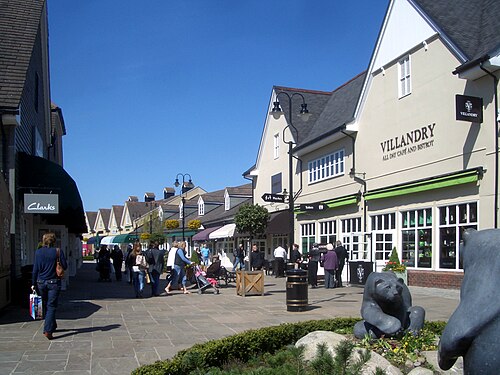
In contemporary times, Bicester has become well-known for its economic development, particularly with the establishment of Bicester Village, a premium outlet shopping destination that attracts visitors from around the world. Opened in 1995, the Village is home to numerous luxury brands and offers a range of dining options, contributing significantly to the local economy. The town center itself has undergone redevelopment, enhancing its appeal with shops, restaurants, and leisure facilities. Bicester's transport links have improved notably with the introduction of a new rail station in 2016, providing faster connections to London and other nearby cities. This has prompted growth in the residential sector, with a notable rise in new housing developments, making Bicester an attractive location for both families and commuters.
In addition to its commercial growth, Bicester also emphasizes sustainability and environmental initiatives. The Bicester Eco Town project aims to create a model for low-carbon living through energy-efficient homes and a focus on green spaces. The town is also part of the larger Bicester Heritage estate, a unique automotive destination committed to preserving and promoting vintage cars through restoration and events, highlighting Bicester's blend of historical significance and modern innovation. With a growing population and a balancing act between heritage and development, Bicester exemplifies a dynamic community in the heart of England, combining its rich history with a forward-thinking approach to modern living.
Facts about Bicester
- Bicester is home to Bicester Village, a renowned shopping outlet that attracts millions of visitors each year, distinguishing it as a key retail destination in the UK.
- The town has a rich history dating back to the Roman period, with evidence of a Roman villa discovered nearby, showcasing its historical significance.
- Bicester was strategically important during World War II, serving as a base for the RAF, which played a vital role in the Battle of Britain.
- The Bicester Heritage site is a notable preservation of vintage and classic cars and is one of the UK's first automotive heritage sites, attracting enthusiasts from across the nation.
- Bicester has been identified as a key location for sustainable development, being one of the first towns to benefit from the Bicester Eco-Town initiative aimed at creating a low-carbon community.
- The town is also known for its extensive green spaces and parks, with the Bicester Park providing a pleasant recreational area for residents and visitors alike.
- Bicester is unique in having one of the UK's oldest churches, St. Edburg's Church, which dates back to the 12th century and features a variety of architectural styles.
- The town hosts an annual Bicester Music Festival, celebrating local and regional musical talent, fostering community spirit and engagement through the arts.
- Bicester North Railway Station provides one of the fastest rail links to London, making it an increasingly popular commuter town within Oxfordshire.
- The Bicester Village train station has recently seen modern improvements that enhance travel and tourism, further distinguishing it from many other suburban towns.