Bīdar, India
- 204,071 people
- 8 places to visit
- 17.9104, 77.5199
Places to Visit (8)
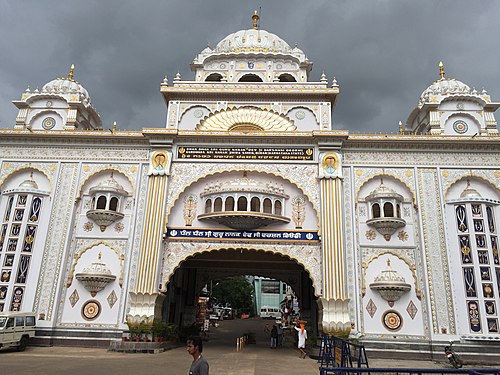
Bīdar is a historically rich city located in the northeastern part of Karnataka, India. It serves as the administrative headquarters of the Bīdar district and is known for its significant contributions to the Deccan Sultanate's history. Founded around the 8th century, the city gained prominence during the reign of the Bahmani Sultanate in the 14th century, becoming one of the empire's key urban centers. An important strategic location, Bīdar played a crucial role in trade and governance, attracting various artisans and scholars who contributed to its cultural and architectural heritage.
The city is renowned for its impressive historical landmarks, which include the Bīdar Fort, a majestic structure that reflects the architectural prowess of the time and is an outstanding example of Islamic military architecture. The fort features several gates, bastions, and a water system that showcases advanced engineering. Another notable site is the Bahmani tombs, a group of mausoleums dedicated to the Bahmani rulers that exemplify Indo-Islamic architecture. Bīdar is also famous for its rich tradition in arts and crafts, notably the production of Bīdar handicrafts, including intricate bidriware, a form of metal inlay work that remains highly prized for its artistic value.
The city's diverse cultural milieu is further enriched by its festivals, food, and local traditions. Bīdar is home to several religious communities, and its vibrant atmosphere is marked by celebrations like the Urs of Khwaja Bande Nawaz, attracting devotees from across the country. Moreover, Bīdar's economy relies on agriculture, with a focus on crops such as jowar, bajra, and pulses, alongside industries like textiles and granite. With its rich historical legacy, cultural diversity, and economic potential, Bīdar continues to be a significant part of Karnataka's heritage while drawing interest from tourists and researchers alike.
Facts about Bīdar
- Bīdar is known for its rich history as it was the capital of the Bahmani Sultanate in the 14th century.
- The city is famous for its unique architectural heritage, particularly the Bīdar Fort, which is an excellent example of medieval military architecture in India.
- Bīdar is renowned for its intricate Bidriware, a unique metal handicraft known for its silver inlay work and distinct blackened finish.
- The city houses the historical monument of the Gol Gumbaz, which features one of the second largest domes in the world, though it is often confused with Bijapur's Gol Gumbaz.
- Bīdar is home to the Lal Kalan mosque, which is an exquisite example of Deccan Sultanate architecture, showcasing beautiful arches and domes.
- The city is also known for the Jehangir Mahal, a beautiful palace built during the reign of Sultan Ahmad Shah in the 16th century.
- Bīdar has a significant historical connection to the Deccan, with many ancient inscriptions and texts chronicling its prominence in the region.
- The city hosts the annual Bīdar Utsav, celebrating the local culture, art, and traditions, promoting tourism and local heritage.
- Bīdar is recognized for its educational institutions, including the renowned Bīdar Institute of Medical Sciences and various other colleges.
- The rich agricultural land around Bīdar is famous for producing high-quality nuts and is often referred to as the 'Pecan Capital of India'.