Biella, Italy
- 43,030 people
- 17 places to visit
- 45.5629, 8.0583
Places to Visit (17)
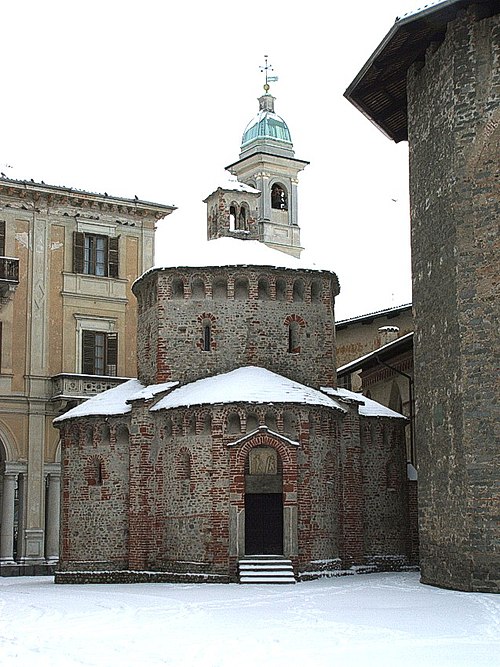
Biella is a picturesque city located in the Piedmont region of northern Italy, nestled amidst the foothills of the Alps. Known for its rich textile industry, Biella has built a reputation as a center for wool production since the 19th century. The city is characterized by its historical architecture, including the striking San Sebastiano Church, which dates back to the 16th century, and the Romanesque-style Biella Cathedral. The blend of history and natural beauty makes Biella a charming destination for both locals and tourists alike.
The surrounding landscape enhances Biella's appeal, offering a variety of outdoor activities such as hiking and skiing in the nearby mountains. The entrance to the Biellese Alps features numerous trails leading to stunning panoramic views and serene nature. In addition, the city hosts a number of annual events and local festivals that celebrate its cultural heritage, such as the Biella Fashion Week and the Sant'Antonio Fair, attracting visitors from across the region. The local cuisine is also noteworthy, with traditional dishes and local wines that reflect the agricultural bounty of the region.
Biella serves as an important hub for commerce and education, contributing to the local economy while maintaining a commitment to sustainability and innovation in the textile sector. Several prestigious textile manufacturers continue to operate in the area, known for producing high-quality fabrics. Furthermore, the city is home to the University of Biella, which offers courses focused on fashion, design, and engineering, thereby fostering a connection between education and industry. With its rich history, vibrant culture, and beautiful natural surroundings, Biella continues to be a significant location in Italy, embodying a harmonious blend of tradition and modernity.
Facts about Biella
- Biella is renowned for its wool and textile industry, often referred to as the 'Textile Capital' of Italy, holding a significant place in the nation's textile production history.
- The city's historical area features the UNESCO-listed San Sebastiano Chapel, which is a remarkable example of Baroque architecture and showcases exquisite frescoes.
- Biella is situated at the foot of the Alps and provides stunning views and access to the Biella Alps, which are popular for outdoor activities such as hiking and skiing.
- The city hosts the annual 'Fiera di San Giovanni', a traditional fair that dates back to 1298, featuring local crafts, foods, and cultural events, making it a significant cultural highlight.
- Biella is home to the 'Pista dei Parchi', one of Italy's largest adventure parks, attracting both locals and tourists with its various outdoor activities and stunning natural surroundings.
- The city has a rich Jewish heritage, with the historic area featuring the old Jewish Cemetery and the Sinagoga di Biella, which dates back to the 1800s and is still used for religious services.
- Biella's local cuisine includes unique dishes such as 'Polenta concia', which is a traditional polenta served with cheese and butter, and 'Boccalino', a type of sweet pastry.
- The Biella area is known for its natural mineral springs, particularly in the nearby town of Oropa, which has been a site of pilgrimage and wellness since the Middle Ages.
- Biella is closely associated with the Italian painter Francesco Gola, who was born here and is celebrated for his contributions to the Baroque painting style.
- The city is also recognized for its artistic community, including the 'Museo del Territorio Biellese' that showcases the region's history, art, and culture through various exhibitions and artifacts.