Bihać, Bosnia and Herzegovina
- 75,641 people
- 10 places to visit
- 44.812, 15.8686
Places to Visit (10)
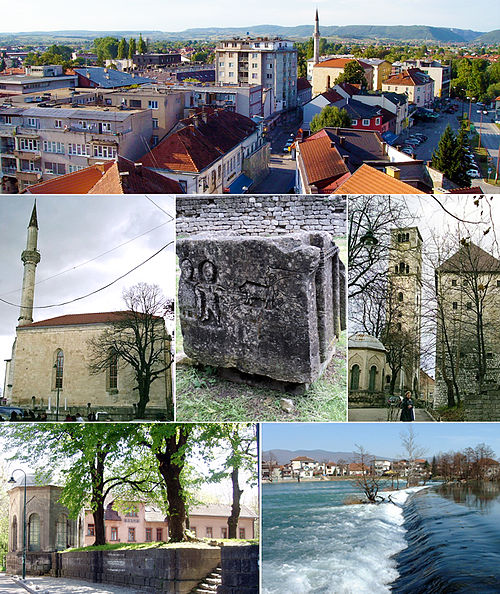
Bihać is a city located in the northwestern part of Bosnia and Herzegovina, nestled along the banks of the Una River. As the administrative center of the Una-Sana Canton, Bihać plays a significant role in the region's cultural and economic landscape. The city has a population of approximately 30,000 residents and is known for its historical significance and natural beauty. Founded in the late 12th century, Bihać's rich history is reflected in its architecture and landmarks, including the medieval Bihać Fortress, which offers stunning views of the surrounding area. The town's strategic location has made it a key focal point throughout history, particularly during the Ottoman and Austro-Hungarian periods, which influenced its cultural development.
Bihać is celebrated for its picturesque landscapes, featuring the Una National Park, which showcases stunning waterfalls, serene lakes, and diverse flora and fauna. The Una River, renowned for its turquoise waters, is a popular spot for kayaking, fishing, and other recreational activities, attracting tourists and nature enthusiasts alike. The city's economy is primarily based on agriculture, trade, and tourism, with various local industries contributing to its growth. The community is characterized by a mix of ethnic backgrounds, predominantly Bosniaks, Croats, and Serbs, reflecting the country’s complex history. In recent years, Bihać has faced challenges, particularly concerning the influx of migrants and refugees passing through the region, highlighting issues related to migration policy and humanitarian assistance. Despite these challenges, Bihać continues to maintain its charm, drawing visitors with its blend of natural beauty, historical richness, and cultural diversity.
Facts about Bihać
- Bihać is located near the picturesque Una River, which is famous for its stunning waterfalls and natural landscapes, setting it apart from many other cities in Bosnia and Herzegovina.
- The city has a rich history dating back to the Roman era, evidenced by archaeological sites that reflect its strategic importance in various historical periods.
- Bihać played a significant role during the Bosnian War in the 1990s, serving as a major center for humanitarian efforts and a focal point for media coverage during the conflict.
- The city's Kulen Vakuf area is home to unique natural attractions, including the Una National Park, which encompasses diverse flora and fauna, as well as pristine rivers and lakes.
- Bihać is known for its cultural diversity, with a mix of ethnic groups, including Bosniaks, Croats, and Serbs, contributing to a rich cultural tapestry that distinguishes it from other towns.
- The town's historic fortress, Fethija Mosque, is an important cultural landmark, originally built as a church and later transformed into a mosque, symbolizing the city's diverse religious history.
- In 2019, Bihać gained international attention for its role as a major transit point for migrants and refugees attempting to reach Western Europe, highlighting its contemporary significance.
- Bihać hosts the annual Una Regatta, a popular event that attracts participants from various regions, allowing them to enjoy the beauty of the Una River and promoting tourism in the area.
- The city is often referred to as the 'Gateway to the Una National Park', making it a popular destination for outdoor activities like hiking, fishing, and kayaking, setting it apart from more urbanized areas.
- Bihać is home to a vibrant tradition of craftsmanship, particularly in woodwork and pottery, with local artisans producing unique handmade goods that reflect the city's cultural heritage.