Bīkaner, India
- 576,015 people
- 11 places to visit
- 28.0229, 73.3119
Places to Visit (11)
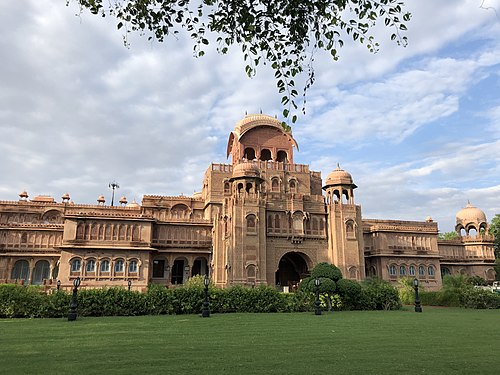
Bīkaner is a city located in the northwestern state of Rajasthan, India. Founded in 1488 by Rao Bīkan, a Rathore prince, the city is named after him and serves as the administrative headquarters of Bīkaner district. Positioned at the edge of the Thar Desert, Bīkaner is known for its rich history, distinctive culture, and colorful architecture. The city played a significant role in the trade routes of ancient India, especially during the days of the Silk Road. This strategic position contributed to its prosperity, turning it into a thriving center for commerce and culture.
Bīkaner is famous for its impressive forts and palaces, with the Junagarh Fort being the most renowned. Built between 1588 and 1593, the fort showcases a unique blend of Indian and Mughal architectural styles and houses an extensive collection of artifacts. Another prominent structure is the Lal Garh Palace, which was commissioned by Maharaja Ganga Singh in the early 20th century and reflects Indo-Saracenic architecture. The city is also noted for its vibrant festivals, such as the Bīkaner Camel Festival, which celebrates the unique relationship between locals and camels, a vital part of the city's heritage and economy.
Beyond its architectural marvels, Bīkaner is recognized for its traditional cuisine, which includes popular dishes like Bīkaneri bhujia, a savory snack made from gram flour and spices, and various sweets such as rasgulla and ghevar. The city's local markets, including the famous Kote Gate, offer a diverse range of handicrafts, textiles, and jewelry, showcasing the region's artisanal skills. With its blend of historic significance, vibrant culture, and desert landscape, Bīkaner stands out as a distinctive destination that captures the essence of Rajasthan's heritage. Today, it remains an important hub for tourism and continues to attract visitors seeking to explore its royal history and unique desert charm.
Facts about Bīkaner
- Bīkaner is known as the 'Camel City' of India due to its prominent camel breeding and trading activities, especially during the Bīkaner Camel Festival.
- The city is famous for its unique red sandstone architecture, particularly the Junagarh Fort, which has never been conquered by invading armies.
- Bīkaner is home to the world's largest khabar (sweets) production, especially renowned for its delicious Bikaneri Bhujia, a savory snack made from gram flour.
- The city has a rich history of Rajputana heritage, with many palaces and forts built during the reign of Rao Bika, the city's founder in 1488.
- Bīkaner is one of the few towns in Rajasthan that has its own unique style of colorful and intricate hand-block printing and textiles, which attract artisans and tourists alike.
- The city is celebrated for hosting the Bīkaner Camel Festival, where tourists can witness camel parades, races, and cultural events showcasing local traditions.
- Bīkaner features the Karni Mata Temple in Deshnok, famous for its resident rats that are revered and considered sacred, attracting pilgrims from all over India.
- The Laxmi Niwas Palace in Bīkaner is an iconic heritage hotel that was once the residence of the Maharaja of Bīkaner, showcasing Indo-Saracenic architecture.
- Bīkaner has a notable cuisine influenced by desert life, with dishes that often include spicy flavors, lentils, and unique vegetarian offerings like Ghevar and Kachori.
- The city is known for its well-preserved havelis (traditional mansions), which are famous for their elaborate carvings and beautiful frescoes, providing a glimpse into the opulent lifestyle of the former merchant community.