Bilbeis, Egypt
- 185,237 people
- 4 places to visit
- 30.4198, 31.5619
Places to Visit (4)
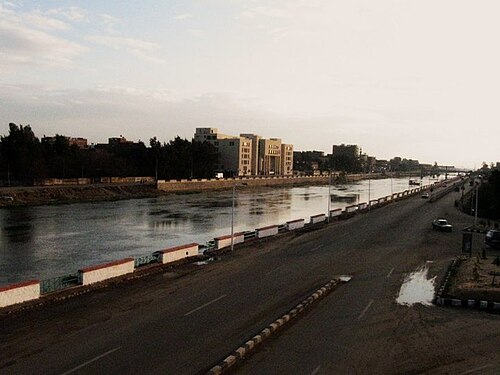
Bilbeis is a city located in the Sharqia Governorate of Egypt, positioned approximately 50 kilometers northeast of Cairo. With a rich historical background, Bilbeis is known for its strategic importance throughout various periods of Egyptian history. The city was once the site of the ancient Egyptian town of Bubastis, which served as a religious center dedicated to the goddess Bastet. The remnants of this town, including temples and artifacts, highlight the area's significance in ancient times.
Modern Bilbeis serves as a vital agricultural and economic hub within the Nile Delta region. The fertile lands surrounding the city support diverse agricultural activities, including the cultivation of crops such as wheat, rice, and cotton. The population of Bilbeis is primarily engaged in agriculture, along with various trade and commerce activities that contribute to the local economy. The city's location facilitates transportation and trade, connecting it to larger cities and markets throughout Egypt.
Bilbeis has also played a role in contemporary Egyptian history, particularly during significant political movements and events, including the 2011 Egyptian Revolution. The city is known for its vibrant local culture, which reflects a blend of traditional Egyptian customs and modern influences. The people of Bilbeis are known for their hospitality and strong community ties, making it a unique representation of life in rural Egypt. Despite its proximity to Cairo, Bilbeis retains a distinct character, combining historical depth with the realities of modern living in the Nile Delta.
Facts about Bilbeis
- Bilbeis is known for its historical significance during the Islamic era, having been a major administrative center during the Fatimid and Ayyubid periods.
- The city is located near the ancient town of Bubastis, which was dedicated to the cat goddess Bastet and is rich in archaeological sites.
- Bilbeis played a key role in the Egyptian Revolution of 1952, with local activists participating prominently in the movement against British influence.
- The city has a unique agricultural landscape, characterized by its fertile lands along the Nile delta, making it a vital area for farming.
- Bilbeis is home to the Al-Azhar Mosque, which dates back to the 10th century and represents the rich Islamic architectural heritage of the region.
- The city is famous for its production of traditional pottery and crafts, which are essential to its local economy and cultural identity.
- Bilbeis hosts the annual Bilbeis Festival, which showcases local music, dance, and crafts, attracting visitors from neighboring areas.
- The city has close ties to the Coptic Christian community, with several ancient churches that reflect the city’s diverse religious history.
- Bilbeis is also known for its strategic location at the crossroads of major transport routes, facilitating trade and communication in the region.
- The city experiences a mix of urban and rural life, with a blend of historical sites and modern developments, making it a unique place in Egypt.